

 See My Latest Article on HelloNation
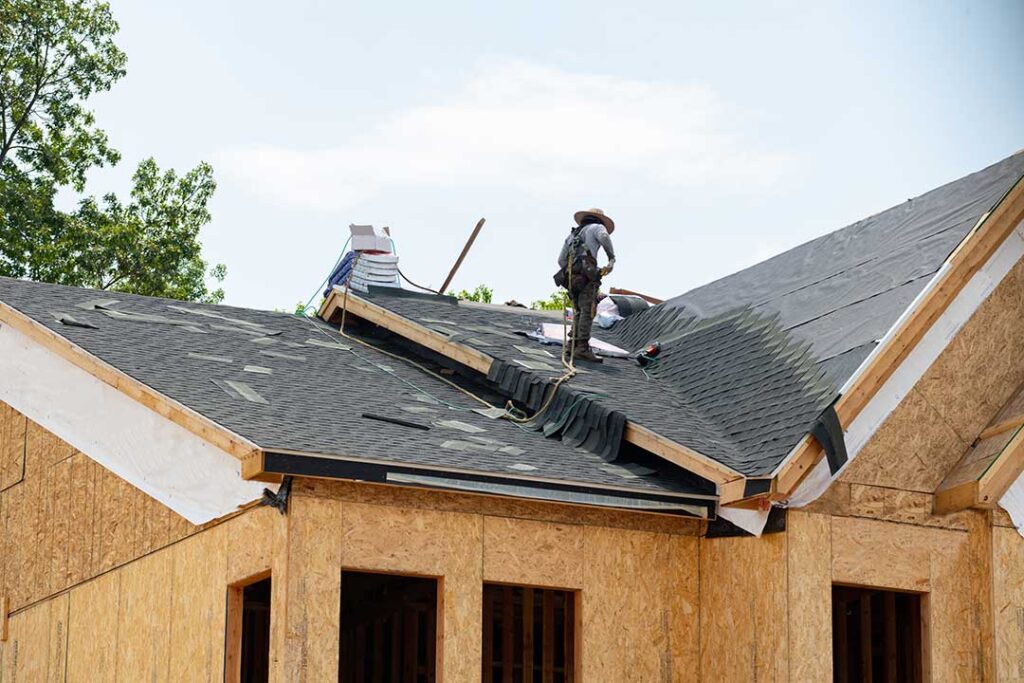
What Are the Signs Your Roof Might Need Replacing?
Many homeowners first wonder how to tell if their roof is past its prime. In Marshall County, common indicators include missing or curling shingles, frequent leaks, sagging rooflines, and excessive granule loss showing up in gutters. Residents may also notice daylight coming through the attic roof boards, which means shingles and underlayment have deteriorated.
Even small changes—like several consecutive roof repairs, increased indoor humidity, or rising energy costs—can hint that the protective barrier isn’t working efficiently anymore. In this area, strong storms and humid summers can accelerate the wear on roofing materials.
How Long Does a Typical Roof Last in Marshall County?
Most homes here are topped with asphalt shingles, which generally last 20-25 years under moderate conditions. However, region-specific factors sometimes shorten this range:
- Hail, heavy rain, and wind events are common, and repeated severe weather can age roofing materials prematurely.
- High humidity and summer heat cause some shingles to age faster than in cooler climates.
- Tree branches frequently scratching or limbs falling can create punctures or worn spots.
If a roof is over two decades old, even without visible trouble, residents should start monitoring closely and consider long-term replacement planning.
What Are the Most Common Roofing Problems in This Region?
Aside from usual shingle aging, homes in the community often deal with the following:
- Algae and moss growth: High humidity encourages organic buildup, leading to streaks and possible gradual shingle damage.
- Flashing and sealant failure: Valleys, chimneys, or roof edges are especially vulnerable when old sealants crack or wash away.
- Storm debris: Branches, leaves, or hail can damage surfaces and block proper drainage, causing leaks or pooling.
These local risks mean that even roofs not yet at the end of their expected lifespan may need careful inspection after storm seasons.
Is It Always Obvious When a Roof Needs Replacing Instead of Repairing?
Not always. While major leaks or visible sagging clearly indicate replacement, other issues may look small but be signs of generalized wear. For example, finding shingle granules in gutters after storms, or noticing frequent minor leaks at different spots, may point to underlying widespread problems not fixable with patches.
Routine repairs stop being effective if:
- Leaks appear in new areas regularly
- The roof’s surface feels soft or spongy underfoot (indicating water damage)
- Multiple layers of old roofing exist, making targeted fixes unreliable
In these cases, addressing the entire system protects the home better than another round of spot repairs.
How Does Weather Affect Roof Lifespan Here?
Marshall County’s mix of heat, humidity, and sudden storms creates unique stress on residential roofs. High summer temperatures can cause materials to crack, curl, or lose adhesion, especially on south- and west-facing slopes. Seasonal storms, particularly those bringing hail or strong winds, risk stripping shingles and exposing the decking.
Additionally, the area’s propensity for thick foliage means gutters often need clearing—clogged gutters can trap moisture and speed up roof decay along the eaves.
What If a Roof Looks Fine From the Ground?
A sound-looking roof may still have damage. A few examples where problems are missed from below:

- Leaks around flashing or penetrations may not cause visible stains until significant damage has occurred.
- Old vent boots or sealant failures can let small amounts of water in, causing rot over time in the decking or attic insulation.
- Hail and wind may create bruised spots or lifted shingles, not always visible without a close-up view, but still compromising water resistance.
Area residents with aging roofs or memories of severe storms may benefit from periodic attic checks, watching for water stains, musty smells, or daylight escaping through the roof boards.
Are Roofing Materials and Construction Methods a Factor?
Absolutely. Original construction quality, ventilation, and material choices all influence how long a roof lasts. In this area, roofs with adequate attic ventilation suffer less heat buildup and condensation, which helps control mold and extends the integrity of wood decking. If a roof was installed with lower-quality shingles, minimal underlayment, or improperly installed flashing, even a younger roof can fail sooner than expected.
What Should Residents Watch For After Severe Weather?
Following storms—especially those that include hail, wind, or falling debris—it’s wise for homeowners to look for:
- Shingles on the ground or visible bare spots on the roof
- Damaged, bent, or missing flashing around chimneys and vents
- Water stains on attic rafters or ceilings inside living areas
- Granules washing out of downspouts
Quick detection of these issues helps prevent further interior and structural damage, and in some cases, can make the decision between repair and replacement clearer.
How Is Roof Replacement Different From Simple Repairs?
Replacing a roof involves removing most or all of the existing layers, checking the underlying decking for rot, and installing fresh underlayment and new materials. Repairs may only address damaged sections or leak-prone areas.
Area households sometimes put off full replacement due to cost or hassle, but piecemeal repairs can add up—and can’t address aging across the entire surface. When a roof is near or past its expected service life, a complete replacement generally restores weather protection, insulation, and appearance much more reliably than another patch.