

 See My Latest Article on HelloNation
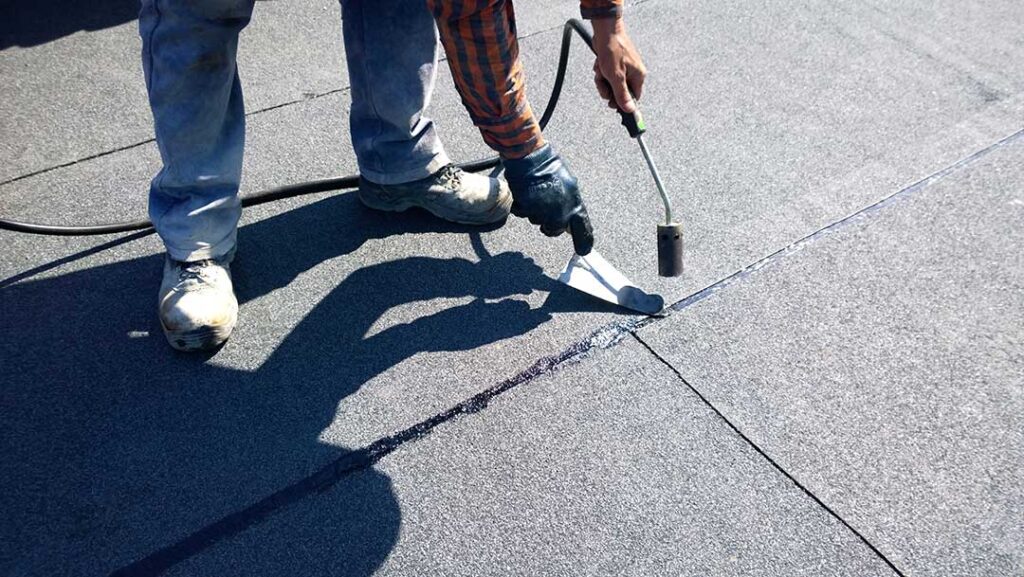
What Does Regular Roof Maintenance Mean for Marshall County, AL Residents?
Regular roof maintenance involves scheduling periodic inspections of your home’s roof, cleaning debris, checking for damage, and making minor repairs when needed. In Marshall County, these practices are especially helpful due to the area’s mixed weather—humid summers, occasional hail, and windy thunderstorms can all impact roof longevity. Ensuring attention to maintenance doesn’t have to be complicated or costly, but neglecting it can lead to much larger problems down the road.
How Does Maintenance Prevent Leaks and Interior Damage?
Most leaks start small. Minor issues like cracked shingles, loose flashing, or clogged gutters often go unnoticed until a major rainstorm exposes the issue in a dramatic way. Regular maintenance helps identify and address these minor concerns before they turn into damaging leaks that reach insulation, ceilings, and walls. In communities such as Marshall County where spring and summer storms can drop several inches of rain in a short period, spotting these early warning signs is essential for preventing water intrusion.
Common tasks that help prevent leaks:
- Checking for cracked, curled, or missing shingles
- Clearing branches, pine needles, and leaves from valleys and gutters
- Ensuring that vents, skylights, and chimneys have secure, intact flashing
Can Routine Upkeep Really Extend Roof Life?
Routine care is one of the surest ways to help a roof reach or surpass its expected lifespan. In regions with varied weather conditions like Marshall County, debris and moisture can cause roofing materials to deteriorate faster than expected. By cleaning off moss and leaves, managing attic ventilation, and replacing damaged materials promptly, area households can avoid the premature aging of their roofs.
Simple acts that make a difference include:
- Gently removing moss and lichen before roots penetrate the surface
- Checking attic insulation to ensure proper airflow and reduce trapped moisture
- Replacing individual shingles before underlying layers are exposed
Will Regular Checks Save Money Over Time?
Many local residents wonder if maintenance is worth the time or expense compared to waiting until a problem arises. The reality is that preventive upkeep generally costs much less than repairing structural damage caused by prolonged leaks, rot, or mold. Water entering through the roof can harm insulation, cause ceiling stains, lead to electrical issues, and even degrade wall materials. In a typical single-family home, prompt attention to small repairs often prevents the need for major fixes that can run into thousands of dollars.
Practical example: Replacing a handful of missing shingles or sealing a vent is far less expensive—and disruptive—than repairing widespread rot in rafters. Insurance claims may also be less likely to be denied when a roof is shown to be well-maintained.
Do Local Weather Patterns Make Roof Maintenance More Important?
Marshall County’s climate plays a significant role in why ongoing roof care is necessary. Heavy rain, high winds, and periods of intense sun all contribute to wear. After severe thunderstorms (which can bring hail and fallen limbs), it’s wise for area homeowners to look for visible changes or damage on and around the roof.
Misconception: Some may assume that roofs only need attention after dramatic storms. In reality, gradual effects from UV rays, humidity, and even local wildlife (like birds or squirrels) can cause damage that develops over months rather than days.
How Can Regular Maintenance Support Energy Efficiency?
A well-maintained roof does more than keep rain out; it also contributes to a comfortable, efficient home. Addressing cracks, gaps, or missing materials helps prevent unwanted heat gain in summer and heat loss in winter. In Marshall County, where both extremes happen within the year, this can lead to real savings on heating and cooling bills. Proper roof ventilation, often checked as part of routine upkeep, contributes to better attic air flow and can reduce the risk of mold and excess moisture.
Maintenance steps with efficiency payoffs:
- Checking insulation beneath the roof
- Ensuring soffit and ridge vents are clear of blockages
- Sealing gaps around roof penetrations for HVAC or plumbing
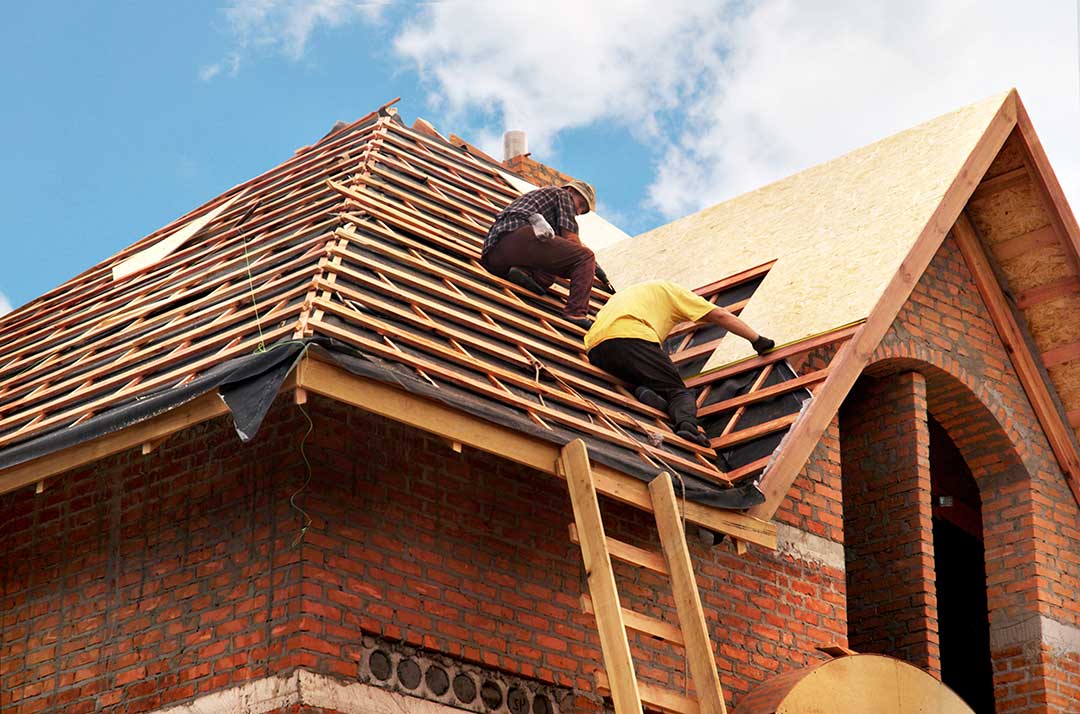
What Are the Signs Residents Should Watch For?
Homeowners don’t need to climb on their roofs to spot early signs that maintenance is needed. Visible cues from the ground or the attic can suggest it’s time for closer attention. Some warning signs include:
- Stains or moisture patches in attic spaces
- Granules from shingles collecting in gutters
- Sagging areas or uneven roof lines
- Plants or moss growing on shaded sections of the roof
Knowing and recognizing these signs helps local families address problems before they spread.
How Often Should Roof Maintenance Be Done in This Area?
The right frequency depends on roof age, materials, and surrounding tree cover. In Marshall County, spring and fall checks are typically recommended due to the seasonal shift in weather and debris. However, after high winds or storms, a quick inspection for obvious damage can catch problems early. Most tasks, like clearing gutters or making sure branches don’t rub against the roof, can be managed seasonally as part of routine home care. For steep or high roofs, or when structural integrity is in question, consider help only when safety requires it.
What Are Common Myths About Roof Maintenance?
Some local homeowners believe that newer roofs don’t require attention for years, or that small leaks will go away on their own. In fact, even new installations can suffer from storm damage or issues with flashing. Small leaks tend to worsen over time, often causing more extensive—and expensive—damage the longer they are ignored. Another misconception: Roof stains or moss growth are harmless. In reality, these can hold moisture against shingles and speed up deterioration in Marshall County’s humid climate.
Is Roof Maintenance Different for Metal, Shingle, or Other Materials?
While the broad principles are the same, different roof types may require specific checks. For example, metal roofs should be checked for loose fasteners and accumulated debris in seams. Asphalt shingle roofs need attention to granule loss and lifting tabs. Tile roofs require checking for cracks, slips, and moss.
In areas with a mix of housing stock, knowing roof type helps tailor the exact maintenance steps, making them more effective and efficient.