

 See My Latest Article on HelloNation
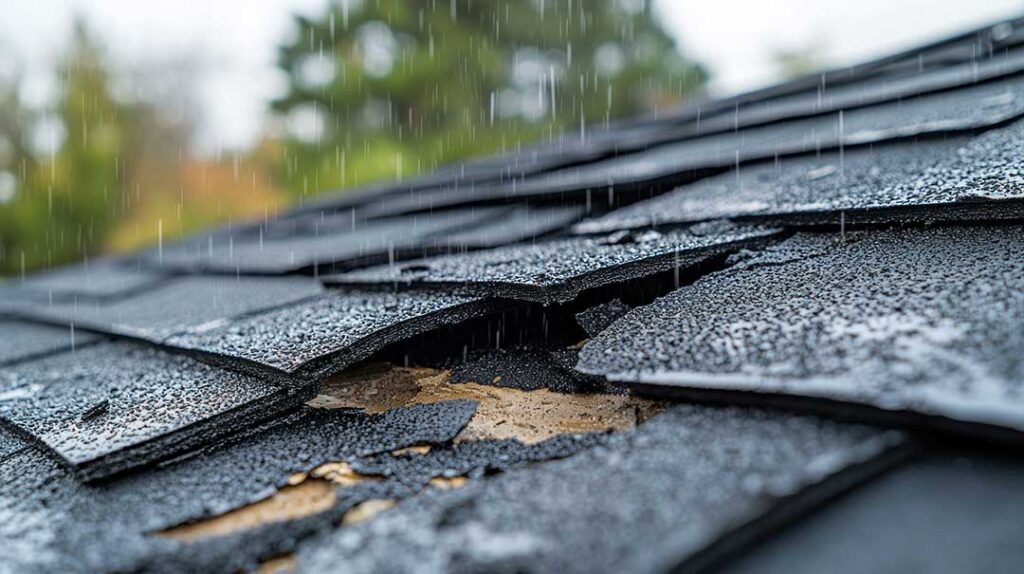
If you live in Marshall County, AL, you know how the seasons can bring everything from humid, steamy summers to frosty, chilly winters. While most homeowners pay close attention to their roof’s shingles and gutters, roof ventilation is often overlooked. However, proper roof ventilation is one of the most critical aspects of maintaining the integrity, comfort, and energy efficiency of your home.
What Is Roof Ventilation?
Roof ventilation is the system of intake and exhaust vents installed on your home that allows air to circulate in and out of your attic. This isn’t just about moving hot air during the summer—good ventilation is a year-round necessity, keeping your home’s structure in excellent health while contributing to your indoor comfort.
The Unique Climate of Marshall County and Its Impact
Marshall County, tucked in North Alabama, experiences humid subtropical weather. Long, hot summers mean the sun beats down on rooftops for months at a time, while colder winters bring sharp temperature drops. This fluctuation puts roofs—and subsequently, attics—under strain. Proper ventilation helps manage these temperature swings, ensuring your home stays comfortable no matter the season.
Why Is Proper Roof Ventilation So Important?
1. Extends the Life of Your Roof
Proper ventilation reduces the risk of heat and moisture buildup in your attic. When these are not addressed, the following problems can arise:
- Warped or rotting wood on your roof deck
- Deterioration of roofing shingles
- Mold and mildew growth
A well-ventilated roof helps prevent these costly issues, protecting your investment and reducing the need for premature roof replacement.
2. Energy Efficiency and Lower Utility Bills
If your attic gets excessively hot in the summer, that heat radiates into your living spaces, making your air conditioner work overtime. Marshall County homeowners who battle high summer electric bills should look to their attics—proper ventilation can lower those cooling costs significantly by reducing heat buildup.
In the winter, ventilation helps avoid the formation of ice dams (less common in Alabama, but still possible during a cold snap), which can damage shingles and gutters and lead to leaks. Ventilation keeps your attic temperature more consistent with the outside air, reducing strain on your HVAC system year-round.
3. Moisture Control
Everyday activities such as cooking, bathing, and laundry add moisture to your home’s air. Some of that moist air inevitably finds its way up to the attic. Without adequate ventilation, moisture gets trapped under the roof deck, leading to:
- Mold and mildew growth, which can harm your family’s health
- Stained or sagging ceilings
- Compromised roof structure
Especially during Marshall County’s humid summers, keeping air moving through your attic combats excess moisture before it becomes a problem.
4. Increased Comfort Inside Your Home
When your attic is properly ventilated, your whole house feels more comfortable. Rooms upstairs are less likely to become stuffy or uncomfortably warm in the summer. In the winter, ventilation keeps heating costs reasonable and prevents cold drafts caused by poorly managed attic air.
For families in Marshall County, where weekends are spent on Lake Guntersville or enjoying local community events, coming back to a home that’s cool in summer and cozy in winter is a must.
Common Types of Roof Ventilation
Marshall County homes come in many shapes and sizes, from classic ranches to modern farmhouses. The right type of ventilation depends on roof design, attic size, and existing vent locations. The most common forms include:
- Ridge Vents – Run along the peak of the roof, allowing hot air to escape naturally.
- Soffit Vents – Located under the eaves, these allow fresh air to enter the attic.
- Gable Vents – Installed on the exterior walls at the gable ends, they supplement airflow in the attic.
- Powered Attic Vents – Electric or solar fans that actively pull hot air out when needed.
A balanced system that includes both intake (soffit) and exhaust (ridge or gable) vents is essential for optimal performance.
What Happens If Your Roof Isn’t Properly Ventilated?
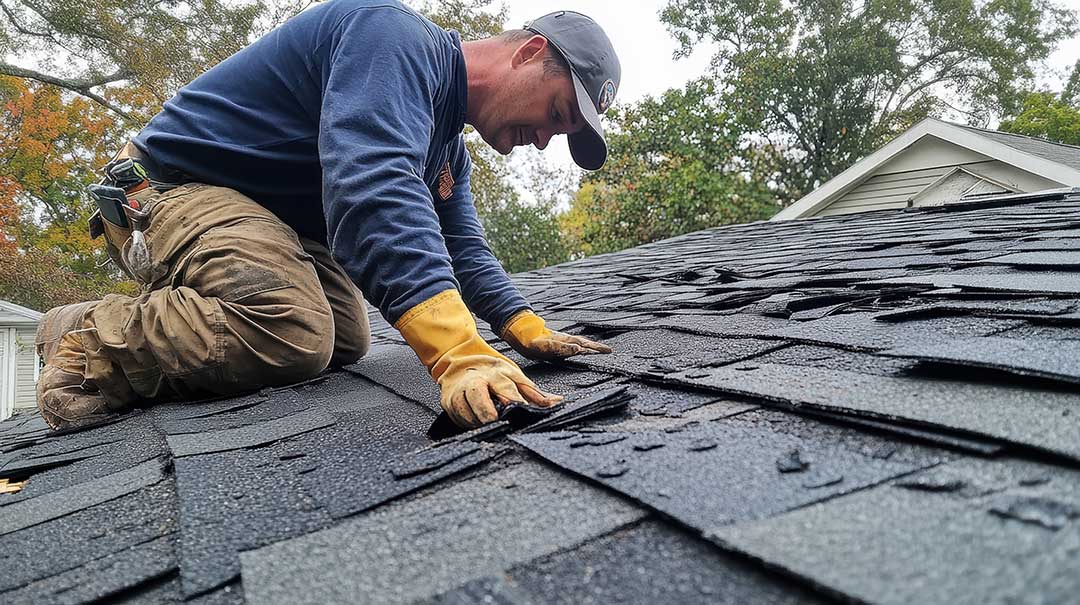
If you neglect roof ventilation, problems can escalate quickly—especially given Marshall County’s weather extremes:
- Higher utility bills due to overworked HVAC systems
- Mold and mildew infestations in attics or on ceilings
- Warping or eventual failure of the decking and rafters
- Shingle damage and shortened roof lifespan
- Lingering indoor odors and poor air quality
Not only can these issues be expensive, but they’re also inconvenient and disruptive to your daily life.
How to Tell If Your Attic Needs Better Ventilation
Wondering if your home is adequately ventilated? Look for these signs:
- Stuffy air or musty smells upstairs or in the attic
- Hot ceilings or walls in upper rooms, even with AC running
- Ice dams forming along the roof edge in winter
- Visible mold or mildew in the attic
- Roofing materials showing signs of early wear
If you’re experiencing any of these, it may be time for a professional evaluation.
Tailoring Solutions for Marshall County Homeowners
Because every home in Marshall County is unique, there’s no one-size-fits-all approach to roof ventilation. Factors like roof slope, attic size, and even shade from local trees (which can affect attic temperature) must be considered. A local roofing expert can assess these factors and recommend a system tailored to your home and our climate.
Final Thoughts: Protect Your Home, Comfort, and Savings
Proper roof ventilation isn’t just a technical detail—it’s a crucial factor in maintaining your home’s comfort, safety, and value in Marshall County, AL. Whether you’re installing a new roof or maintaining the one you already have, ensuring optimal attic ventilation will pay off in lower bills, fewer repairs, and many worry-free seasons ahead.
If you’re uncertain about your home’s ventilation or have noticed any of the warning signs, don’t wait until a small problem becomes a major expense. Addressing ventilation now means protecting what matters most—your family and your home.