

 See My Latest Article on HelloNation
If you live in Marshall County, Alabama, you know how vital a reliable roof is for your home. Our area experiences everything from humid summers and heavy thunderstorms to the occasional frosty winter morning. These local weather extremes can take a toll on your roofing system, making it essential for homeowners to catch early signs of roof damage before costly repairs—or even a full replacement—become necessary.
In this article, we’ll walk you through how to identify common early warning signs of roof damage, why it’s important to act quickly, and how the unique conditions in Marshall County impact your roof’s health.
Why Early Detection of Roof Damage Matters
Roof problems rarely start as major leaks or obvious cave-ins. Most develop slowly, beginning as small, easily fixable issues. When left unchecked, these minor faults can lead to more significant damage, which not only impacts your home’s value but can also disrupt your way of life in Marshall County—especially during long stretches of rain or unexpected cold snaps.
How Marshall County’s Climate Impacts Your Roof
Homeowners here encounter a unique blend of environmental challenges:
- Humid summers that promote moss and algae growth
- Heavy rainfall and thunderstorms leading to uplifted or loose shingles
- Occasional ice and frost causing shingle cracking and underlayment wear
- Deciduous trees shedding leaves that may clog gutters
Understanding the local climate helps you stay one step ahead and check for damage that might otherwise go unnoticed.
What to Look for: Early Signs of Roof Damage
Here are the most common warning signs Marshall County homeowners should watch for:
1. Curled, Cracked, or Missing Shingles
Alabama’s intense sun and sudden downpours can cause shingles to age faster. Step outside and visually inspect your roof:
- Look for shingles that appear curled at the edges or are visibly cracked.
- Notice any bare spots where shingles are missing altogether.
- After storms, check your yard for shingle granules or full shingles that blew off.
2. Dark Spots or Streaks
Algae, common in our humid region, often appears as dark streaks or patches on roofs. While it may seem cosmetic, algae can hold moisture and degrade your shingles. Look for:
- Black streaks down the slope of your roof
- Patches that appear darker than the surrounding area
3. Damaged Flashing
Flashing is the metal material that seals valleys, chimneys, vents, and edges. Alabama weather can loosen or rust flashing, compromising its ability to keep out water. Inspect:
- Areas where metal meets brick, siding, or another roofline for gaps or rust
- Detached or missing pieces of flashing around chimneys and vents
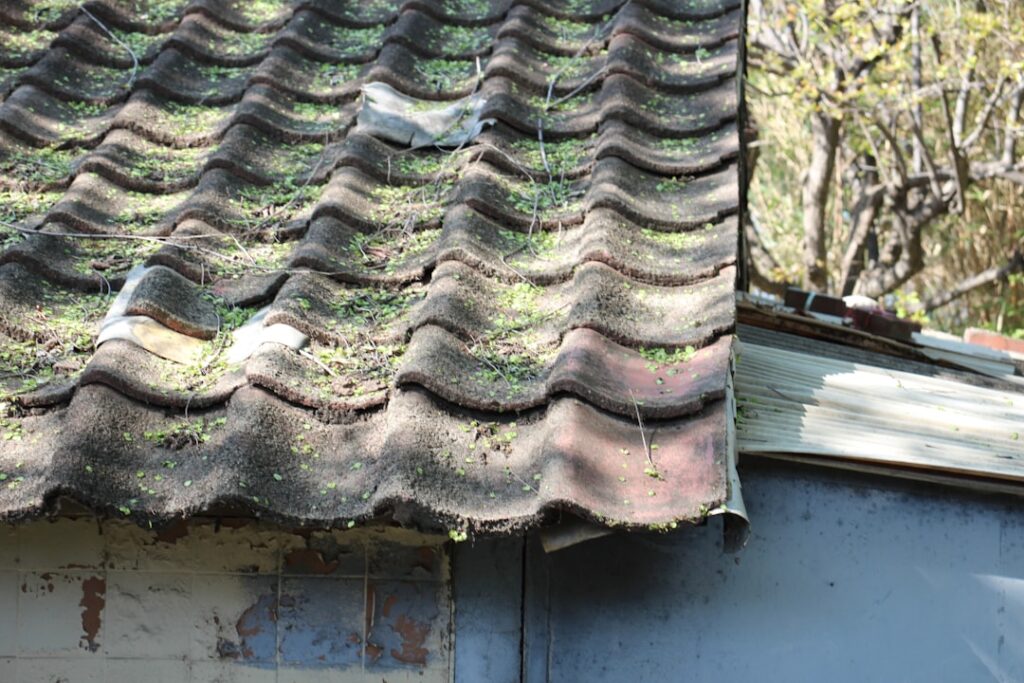
4. Moss or Plant Growth
Thanks to Marshall County’s vegetation and humidity, moss and lichen can thrive on shaded roofs.
- Moss holds moisture against your shingles, leading to quicker deterioration.
- Any visible growth signals that moisture is hanging around longer than it should.
5. Sagging Roof Deck
From Grant to Albertville, sagging roofs can occur in older homes or those with neglected leaks:
- Stand back and look at your roofline; it should follow a straight plane.
- Notice any dips, warping, or sag in the middle or along the edges.
6. Shingle Granules in Gutters
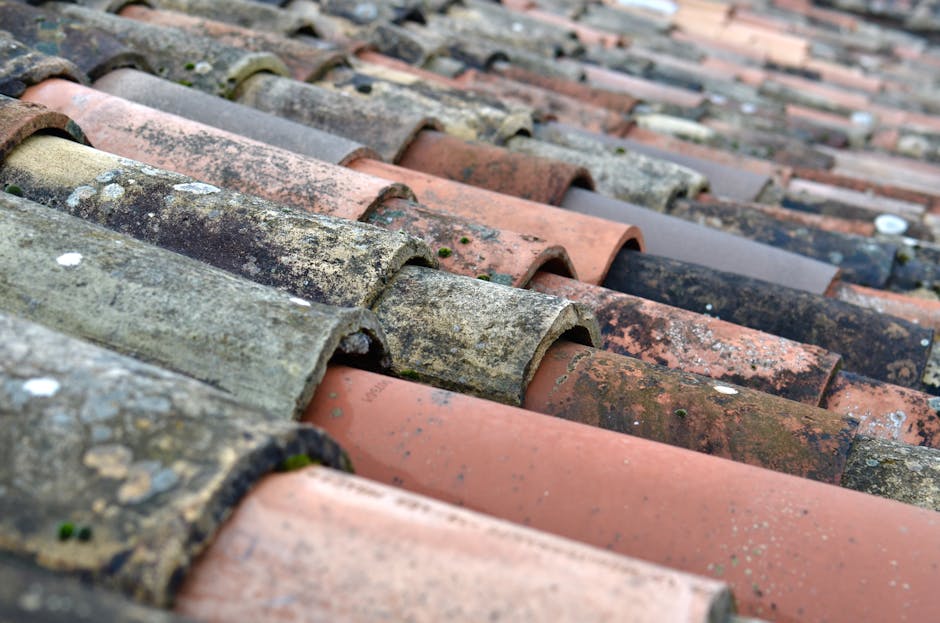
Heavy rainstorms can wash granules—the protective layer on shingles—into your home’s gutters.
- If cleaning your gutters reveals an abundance of sand-like granules, your roof may be nearing the end of its lifespan.
7. Leaks or Water Stains Inside
Sometimes roof issues show up inside your home—especially during our summer storms.
- Check the attic and ceilings for water stains or mold.
- Peeling paint or bubbling wallpaper may signal moisture from above.
Best Practices for Marshall County Homeowners
Given our distinct local challenges, here’s how to protect your roof and address damage early:
- Schedule semi-annual roof inspections, ideally in spring and fall, to stay ahead of weather changes.
- Clean your gutters regularly—especially after leaf fall—to prevent blockages and water backup.
- Trim back overhanging branches to reduce moss growth and shingle damage.
- Consider algae-resistant shingles if building a new roof or replacing old ones.
When to Call a Professional
While some small repairs—such as replacing a few shingles—can be DIY-friendly, significant damage should always be evaluated by a professional roofing contractor. In Marshall County, reliable experts are familiar with typical local damage patterns and can address issues unique to our climate.
FAQs About Roof Damage in Marshall County
How often should I inspect my roof? Twice a year is best—typically after spring storms and before winter sets in. Does home insurance cover roof damage in Alabama? Usually, yes, for sudden damage (like storm or hail), but often not for age-related deterioration. Always review your policy details. What’s the average roof lifespan here? Due to the climate, asphalt shingle roofs last about 20–25 years if well maintained.
Conclusion
Catching roof damage early saves Marshall County homeowners time, money, and stress. With routine inspections and prompt attention to small signs of wear, your roof can continue to protect your home and family for years, whatever Alabama’s weather brings.