

 See My Latest Article on HelloNation
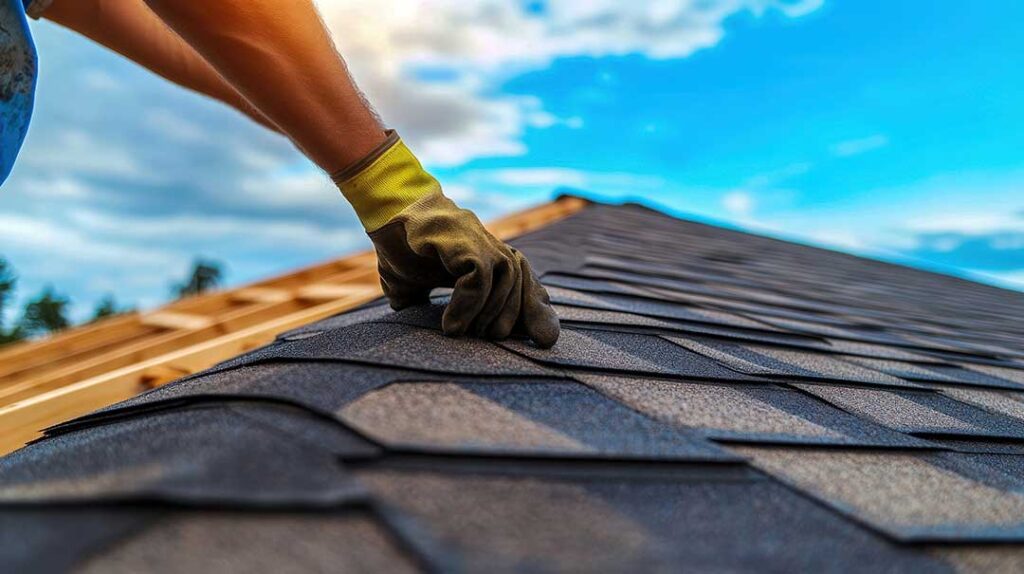
What Happens During a Roof Inspection in Marshall County, AL?
A professional roof inspection in Marshall County, AL is a thorough process aimed at evaluating the condition of a roof, identifying present or potential issues, and suggesting ways to maintain structural safety and weather protection. Local inspectors use careful observation and a tested checklist to look for signs of damage, aging, or improper installation—factors especially important given the community’s humidity, severe storm potential, and wide seasonal temperature swings.
How Do Inspectors Assess Roof Condition?
Inspectors typically start with a visual overview from the ground and, when safe, use ladders to examine the roof’s surface closer. In Marshall County, roofs may have to withstand hail, wind-driven rain, and high humidity, so typical inspection points include:
- Shingle or roofing material wear, curling, or missing sections
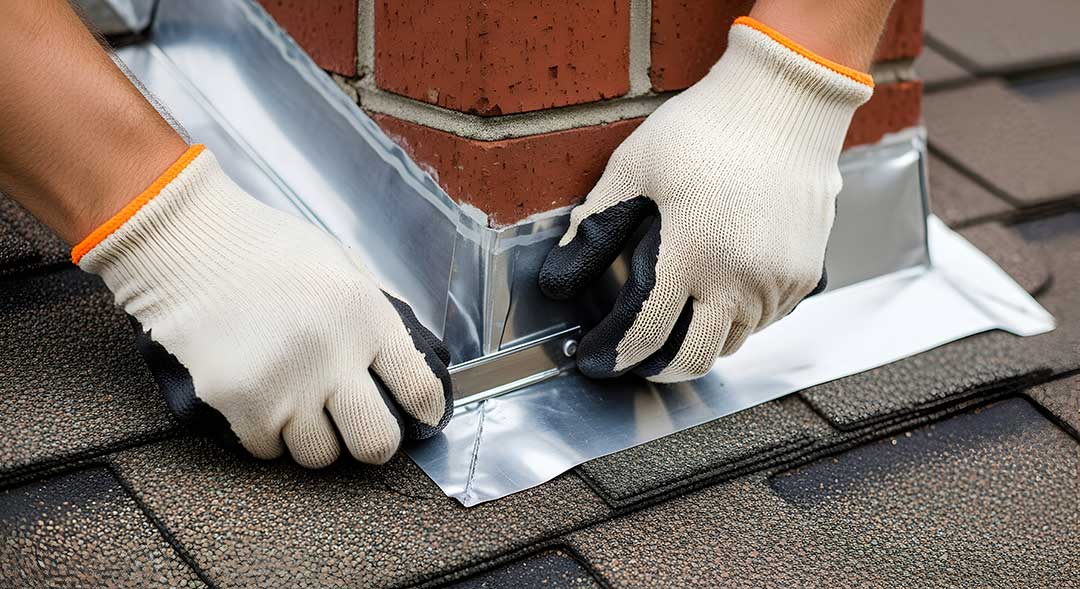
- Flashing integrity around chimneys, vents, and valleys (important for storm-prone areas)
- Signs of water pooling, sagging, or uneven roof lines
- Growth of algae, moss, or lichen, which is common due to regional moisture
- Gutter attachment and debris buildup
If needed, inspectors might also check inside the attic for moisture stains, daylight leaks, or insulation issues, given that attic ventilation is especially vital for homes in the area’s warm, humid months.
What Kinds of Problems Are Commonly Found in the Area?
In this community, recurring inspection findings often reflect the local climate and typical home construction. Commonly noted issues include:
- Granule loss on asphalt shingles after hail or wind events
- Wind-lifted shingles from spring and fall storms
- Rust or separation on metal flashing, sometimes due to high humidity
- Clogged gutters and downspouts from seasonal leaf fall, leading to water overflow
- Moss buildup in shaded areas, worsening wood rot over time
Inspections sometimes spot earlier fixes done with incompatible materials, which may not handle the precipitation and temperature changes of Marshall County.
Do Inspectors Use Technology During Roof Inspections?
While most residential inspections rely on careful visual checks, some professionals may use tools that are particularly helpful when inspecting steep roofs or identifying hidden leaks. These tools can include:
- Moisture meters to detect trapped water under roofing materials
- Infrared cameras to reveal thermal irregularities or moisture in attic spaces
- Drones, for hard-to-reach spots, but only when appropriate and allowed
The use of such technology is not universal, but it’s becoming more common, giving inspectors another layer of detail—especially useful following severe storms or before property transactions.
Are Roofs Always Inspected from the Attic and the Exterior?
Not every inspection includes attic access, but in Marshall County, including both perspectives can help detect issues before they worsen. Inaccessible attics might limit how thoroughly certain leaks or ventilation concerns can be traced.
For exterior inspections, most roofs are examined from above, if the pitch and condition allow for safe access. However, very steep, heavily damaged, or slippery roofs may be viewed from below with binoculars or from roof edges instead. Inspectors always prioritize safety and building integrity.
How Long Does a Typical Roof Inspection Take?
A standard roof inspection for a typical single-family home in Marshall County usually takes between 45 minutes and an hour and a half. Larger homes, complex rooflines, or the use of extra tools (like moisture sensors) may lengthen the process. If interior attic review or detailed moisture checks are required, plan for longer.
What Should Residents Do Before an Inspection?
Preparing for a roof inspection can help it go smoothly and thoroughly:
- Unlock gates and ensure there’s easy access around the house perimeter
- Move vehicles away from the driveway if ladders or equipment are involved
- Clear attic entryways if attic access is expected
- Secure pets to prevent accidental escapes
Inspectors will appreciate easy access but do not require homeowners to make repairs or climb up on the roof themselves.
What Documentation Do Inspectors Provide?
Homeowners receive a written inspection report outlining all findings, along with photographic evidence of documented issues. Local residents can expect clear explanations, which might include:
- Current roof condition and estimated lifespan
- Noted problems, such as active leaks, damaged materials, or risk areas
- Recommendations for maintenance, repair, or further evaluation if hazards are present
The summary is prepared to be understandable for those without technical roofing experience. In the event of severe weather or urgent repairs, Marshall County residents may want to save these reports for insurance or warranty claims, as they serve as valuable third-party documentation.
How Often Should Roofs Be Inspected Locally?
Annual inspections are a reliable standard for most area homes, given the impact of rain, wind, and seasonal heavy pollen. After major hail or wind events, an extra check can catch storm-specific damages that aren’t visible from the ground. For those selling or purchasing a home, inspections provide an extra layer of transparency and confidence. Skipped or infrequent inspections can allow small issues—like loose shingles or clogged flashing—to become expensive, widespread problems due to the rapid weather changes seen in Marshall County.
Can Homeowners Perform Their Own Roof Check?
Residents concerned about safety, access, or complex issues should avoid climbing on their own roofs, especially given common hazards like slippery moss or high pitches. However, homeowners can regularly check for gutter blockages, visible shingle loss from the yard, or interior ceiling stains that signal leaks. Documenting any visible issues and arranging an independent inspection when anything seems amiss is the safest way to address concerns without risking injury.