

 See My Latest Article on HelloNation
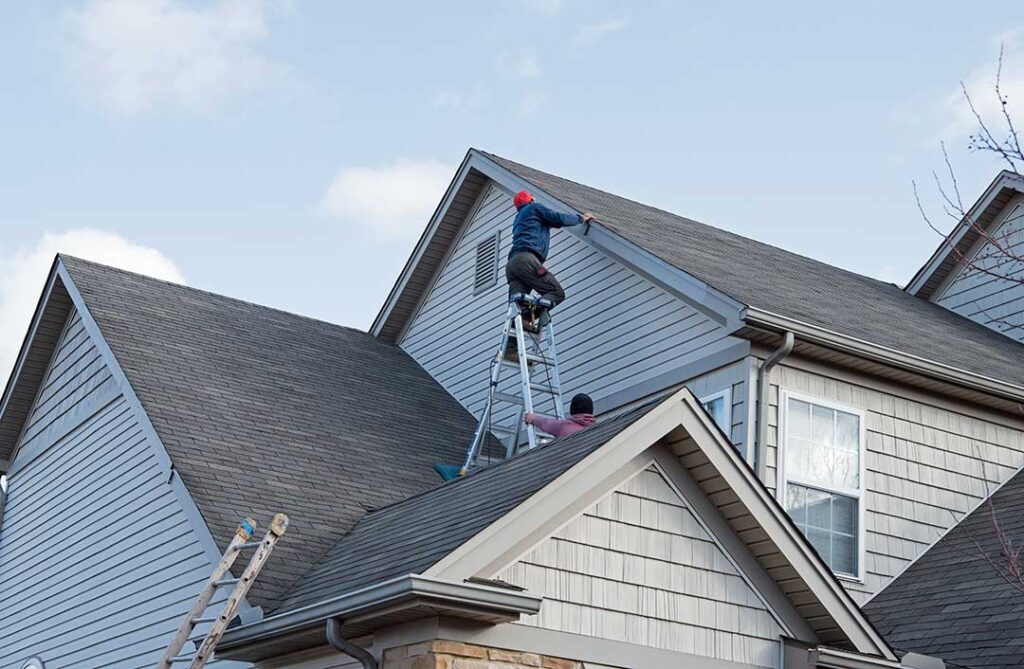
Why Perform Roof Maintenance Yourself?
Roof maintenance is an essential part of preserving a home’s value and preventing costly repairs. Many homeowners in Marshall County, AL, wonder if they can handle basic upkeep without special expertise. The answer is yes—for many routine tasks, attentive residents can safely extend the life of their roofs. However, it’s important to know your limits and address only those jobs that do not involve significant risk.
What Should Be Checked During Routine Roof Maintenance?
A thorough visual inspection is the foundation of effective maintenance. Homeowners should:
- Look for cracked, curled, or missing shingles, especially after storms
- Examine roof valleys and flashing for visible gaps or corrosion
- Scan for dark, discolored, or wet spots indicating possible leaks
- Inspect for moss, algae, or lichen growth, which may signal trapped moisture
- Check the attic for daylight peeking through or signs of water stains
Routine checks are best scheduled at the start of spring and fall when weather is milder.
How Do Local Weather Patterns Affect Roof Care?
Marshall County faces a mix of warm, humid summers and occasional strong storms. This climate puts additional stress on roofing materials, making specific maintenance tasks more relevant:
- After thunderstorms or tornado warnings, check for blown-off shingles or dents caused by hail
- Humidity encourages moss and algae, making regular cleaning of organic growth important for preventing shingle damage
- Sudden temperature swings can change shingle flexibility, increasing the likelihood of cracks that need attention
Seasonal awareness helps area households catch small issues before they grow.
Can Moss and Algae Be Removed Safely?
Yes, but care is required. Moss and algae are common in shaded or damp areas. Here’s how local residents can remove them:
- Use a long-handled, soft-bristled brush to gently sweep away growth—avoid using a pressure washer, which can strip granules and damage shingles
- For stubborn patches, apply a cleaning solution of half water and half household bleach using a pump sprayer, let sit for 15-20 minutes, then rinse gently with a garden hose from top to bottom (never spray upward)
- Take safety precautions: wear slip-resistant shoes, avoid working when the roof is wet, and never climb without a helper nearby
Regular cleaning helps maintain curb appeal and prevents premature wear.
How Can Gutters Impact Roof Performance?
Gutters are critical for channeling rainwater away from both the roof and the home’s foundation. If gutters are clogged with leaves or pine needles, water can back up and damage roof edges. For effective gutter maintenance:
- Wear gloves and remove debris by hand or with a small scoop
- Flush gutters with water to ensure downspouts are clear
- Check that gutter brackets and fasteners are secure
- Trim nearby trees to minimize future buildup
Neglecting this task in the fall increases the risk of leaks during winter storms. Local residents can usually manage this chore with minimal equipment.
What Safety Steps Should Be Taken Before Getting on the Roof?
Safety is always the top priority. Before starting any DIY roof task:
- Choose a stable ladder, and have a second person steady it
- Wear flat, rubber-soled shoes for grip
- Avoid working alone or during wet, icy, or windy conditions
- Keep tools in a tool belt to keep hands free for balance
If the roof is very steep or damaged, or if high winds are forecast, postpone maintenance until it’s safe.

Are There Common Mistakes to Avoid With DIY Maintenance?
Mistakes often happen when well-meaning residents overlook a few details. Watch out for these pitfalls:
- Walking directly on fragile shingles, especially when hot
- Using harsh wire brushes or pressure washers, which can degrade roofing material
- Failing to secure ladders or falling debris
- Attempting repairs without understanding flashing or shingle layering, which can create leaks
- Ignoring attic ventilation—blocked soffit vents or insulation covering vents can trap moisture and heat
Staying aware of these common issues makes DIY upkeep safer and more effective.
How Often Should Maintenance Tasks Be Performed?
Visual inspections should be done twice a year, ideally in the milder weather of spring and fall. Gutter cleaning may be required more often, especially after heavy storms or when nearby trees drop leaves.
- Moss and algae removal: As needed, typically in spring or after long rainy spells
- Shingle checks: After every major storm event
- Flashing and sealant review: Annually or if a leak is suspected
Being consistent reduces the likelihood of unexpected and expensive repairs.
What Roof Issues Require Professional Attention?
There are some scenarios where expert help is the safest option:
- Areas that are difficult or dangerous to access
- Structural sagging, extensive water damage, or widespread missing shingles
- Suspected mold inside attic insulation or signs of widespread rot
- Patches of animal infestation affecting roofing materials
In these cases, the risks may outweigh the benefits of DIY.
What Clean-Up and Record-Keeping Practices Are Helpful?
After any maintenance session, carefully clean tools and dispose of debris in yard waste or trash bins. Consider snapping reference photos of repaired areas or trouble spots. Keeping a simple maintenance log with dates and brief notes—such as “Removed moss from back slope” or “Checked for missing shingles after May windstorm”—helps track trends for future inspections.
Homeowners who take a thoughtful, seasonal approach to roof care can usually prevent most problems before they start, ensuring longer life from their roof and peace of mind through changing seasons.