

 See My Latest Article on HelloNation
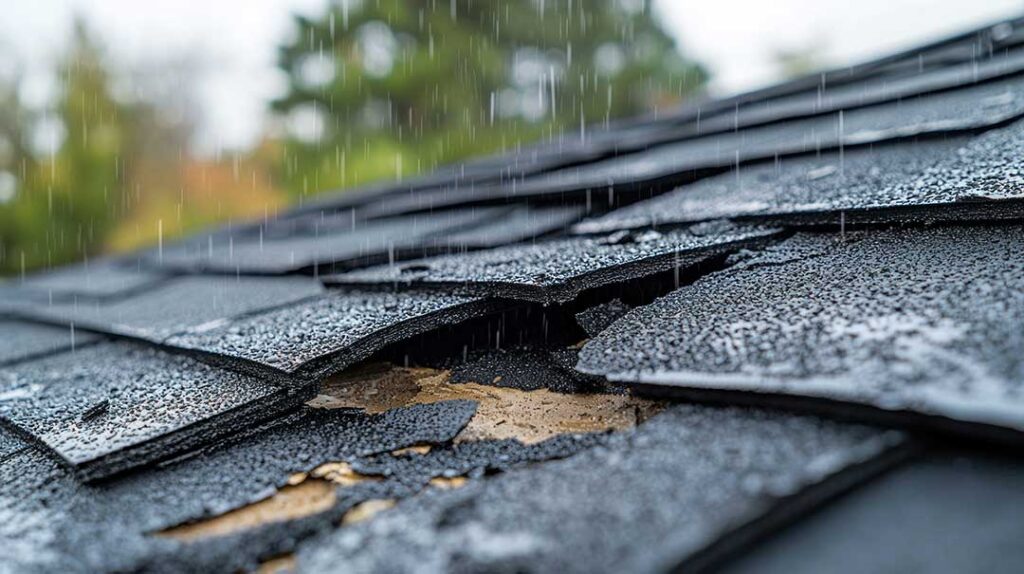
How Does Weather in Marshall County, AL Affect Roof Lifespan?
Shifts in weather—including heat, rain, storms, and cold snaps—directly influence how long roofs last in this region. Exposure to different elements can deteriorate roofing over time or cause sudden damage, depending on conditions.
Marshall County experiences humid summers, occasional severe thunderstorms, and sometimes brief cold periods in winter. Roofs here must tolerate everything from high UV exposure to intense rainfall, making regular awareness and upkeep crucial for long-term performance.
What Are the Biggest Weather Threats to Roofs in This Area?
The major weather-related risks to roofs locally include sun exposure, heavy rain, wind, and contrasting seasonal temperatures. Each of these can stress or weaken roofing in distinct ways:
- Sun and Heat: Prolonged sun exposure common during Marshall County summers can accelerate the breakdown of asphalt shingles, causing them to become brittle, curled, or faded.
- Heavy Rain & Humidity: Sudden downpours and persistent moisture can test a roof’s ability to shed water quickly. If shingles, flashing, or gutters are compromised, this can lead to leaks, rot, or trapped moisture under roofing materials.
- Windstorms: Severe thunderstorms often bring high winds that can lift, loosen, or tear away shingles, leaving areas of the roof exposed to water intrusion.
- Freeze/Thaw Cycles: While extreme freezes are rare, overnight temperature drops can cause expansion and contraction of both roofing materials and underlying wood. Over time, this movement can widen small gaps or cracks.
Residents typically notice these impacts seasonally, especially after major weather shifts.
How Can You Spot Weather-Related Roof Damage?
After heavy storms or following a long period of humidity and heat, visual inspections can reveal warning signs of trouble. Look for:
- Discolored or uneven shingles
- Granule loss (visible in gutters or at downspouts)
- Warped, curled, or missing shingles
- Rust or gaps around metal flashing
- Damp spots in attic spaces or on ceilings
Paying attention to subtle changes—like a new musty smell indoors or increased cooling costs—may also hint at hidden roof moisture or ventilation issues.
Are There Common Local Misconceptions About Roof Weathering?
A typical misconception is that roofs only need attention after severe events, such as hailstorms or high winds. In reality, most weather-related roof damage in the area develops over time through repeated cycles of sun, rain, and wind exposure.
Another misunderstanding is assuming that newer roofs are immune from damage due to routine weather. Even roofs only a few years old can show signs of wear if valleys, flashing, or penetrations weren’t properly maintained or installed.
What Can Residents Do to Protect Their Roofs From Weather Damage?
Adapting to Marshall County’s climate means taking a proactive approach, especially before and after the most challenging weather seasons.
- Regular visual checks: Brief walkarounds after storms or a summer heatwave offer a chance to catch visible problems early.
- Clean gutters and downspouts: Keeping these clear helps prevent water from pooling and backing up under shingles.
- Trim overhanging limbs: Branches that touch the roof can scratch or puncture shingles and contribute to debris buildup, which holds moisture.
- Pay attention to attic ventilation: Poor airflow can trap heat and moisture, shortening roof lifespan from below.
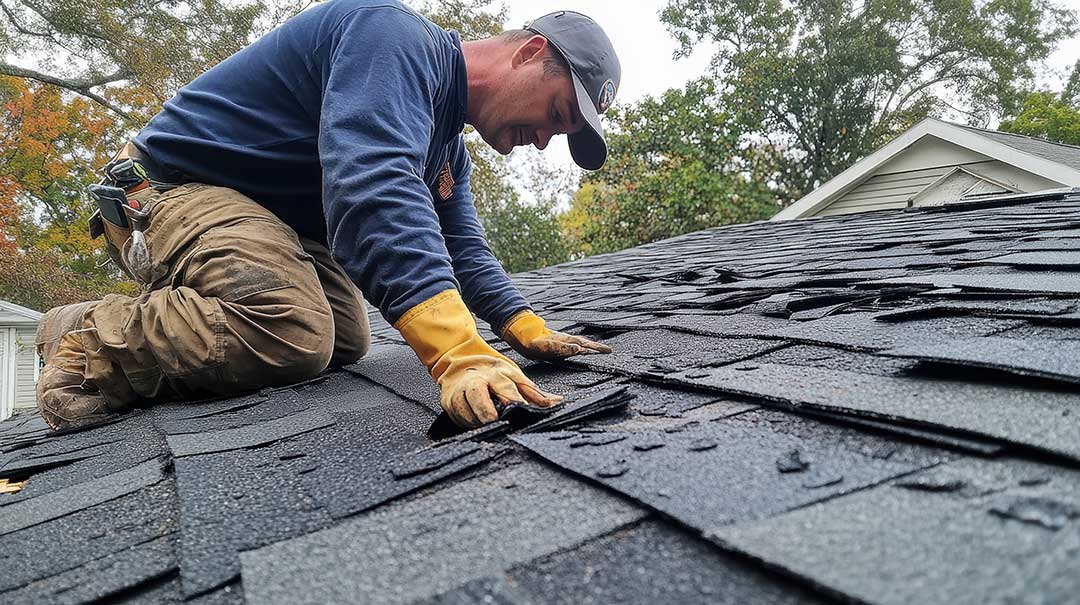
It’s best to address problems as soon as they appear—ignoring small issues in this climate often leads to much greater repairs down the road.
Does the Type of Roof Matter When It Comes to Local Weather?
The roofing material, color, and ventilation design all make a difference. Lighter-colored roofs reflect more sunlight, reducing heat absorption. Metal roofing offers strong resistance to high winds but can transmit noise during storms. Asphalt shingles are common in the community but may degrade faster under harsh sun or humidity without proper care. Roofs with adequate pitch (slope) handle downpours more efficiently, shedding rain before it can seep underneath. Those built with good attic ventilation fare better during long hot spells, as they can release trapped heat and moisture.
How Do Storms in the Community Typically Affect Roofs?
Severe weather in Marshall County, especially in spring and summer, can stress roofs unpredictably. Thunderstorms sometimes bring sudden gusts that lift edges of shingles or drive rain under weak spots. Small areas of hail can roughen or pit shingles, leading to earlier aging. Tornadoes—though infrequent—pose an obvious risk of serious structural damage. Even if a storm leaves no obvious damage, repeated events over the years collectively add wear and tear. After any severe local event, it’s wise to visually inspect your property from the ground and look for anything that looks out of place or newly exposed.
What Should You Watch For As Roofs Age in Marshall County?
Age is a factor when considering how roofs hold up against area weather. As materials get older, their ability to bounce back after storms, heat, or cold reduces. Shingles may stop sealing as tightly, and small leaks may become more common. Local residents may also find that older homes with outdated attic ventilation or insulation are more prone to roof issues related to weather. Keeping an eye on vulnerable areas like valleys, flashing, and eaves is especially important as roofs approach double-digit aging—regardless of recent weather events.
Paying attention to both seasonal weather patterns and subtle signs of wear can help households stay a step ahead of bigger, more expensive problems.