

 See My Latest Article on HelloNation
Why Should Homeowners in Marshall County, AL Inspect Their Roofs?
Regular roof inspections help homeowners catch small problems before they become major repairs. In Marshall County, the local mix of humid summers, cool winters, and occasional strong storms can add extra wear to roofs. Staying alert to potential issues means avoiding leaks, water damage, mold, and even structural deterioration—problems that can impact daily living and insurance claims.
How Often Should Local Residents Inspect Their Roofs?
Most area homes benefit from a roof check at least twice each year, in spring and fall. Seasonal temperature swings, late-summer thunderstorms, and the rare bout of winter ice make routine checks valuable. After particularly strong winds or hail, it’s wise to look for fresh damage, even outside the routine schedule.
What Are the Key Signs of Roof Problems?
Spotting early warning signs can save time and money. Homeowners in Marshall County can look for:
-
- Missing, cracked, or curled shingles, especially after summer storms
- Discoloration, moss, or dark streaks that suggest algae or moisture buildup
- Rusted or damaged flashing near chimneys, vents, or skylights
- Gutters clogged with shingle granules or debris indicating shingle wear
- Sagging areas or dips, often an early sign of hidden leaks or rotting wood
- Interior ceiling stains or bubbling paint after heavy rains
Regular attention to these key details can prevent small problems from growing.
Can Homeowners in Marshall County Safely Inspect Their Roofs Themselves?
A ground-level inspection and careful attic checks are manageable and safe for most homeowners. Area residents often use binoculars or smartphone zoom for a closer look at steep roofs. Walking on the roof is discouraged, especially after wet weather or if the surface is mossy. Not only does this carry a fall risk, but it may also cause further damage to older shingles.
Attic inspections are another important step during home upkeep. Signs like beams with water stains, insulation that feels damp, or musty odors can point to hidden leaks or ventilation issues linked to the roof.
If any soft spots, extensive algae, or suspected structural issues are discovered, it’s best to avoid disturbing these areas due to safety risks, especially where mold or rot may be present.
What Makes Roof Inspection Different in Marshall County?
Local conditions shape roof longevity and maintenance. In the city’s climate, summer humidity can speed up the growth of algae and moss, which may not be obvious until stains appear or shingles start to lift. Large, mature shade trees around many residential lots often drop branches or shed leaves, leading to gutter backups or shingle scuffs.
Stormy weather also presents unique challenges for the community. Wind-driven rain can push water under the edges of shingles, and the occasional hail event can dent metal flashing or weaken shingle surfaces, sometimes without being easily visible from the ground.
What Parts of the Roof Deserve Special Attention?
Some parts of a roof are more susceptible to local climate wear and storm-related problems:
-
-
- Valleys, where two roof slopes meet and water is funneled downward
- Roof edges, which face the brunt of wind and falling debris
- Around chimneys and vents, where metal flashing can corrode or loosen
- Under large overhanging trees, places that may see extra shade and debris
-
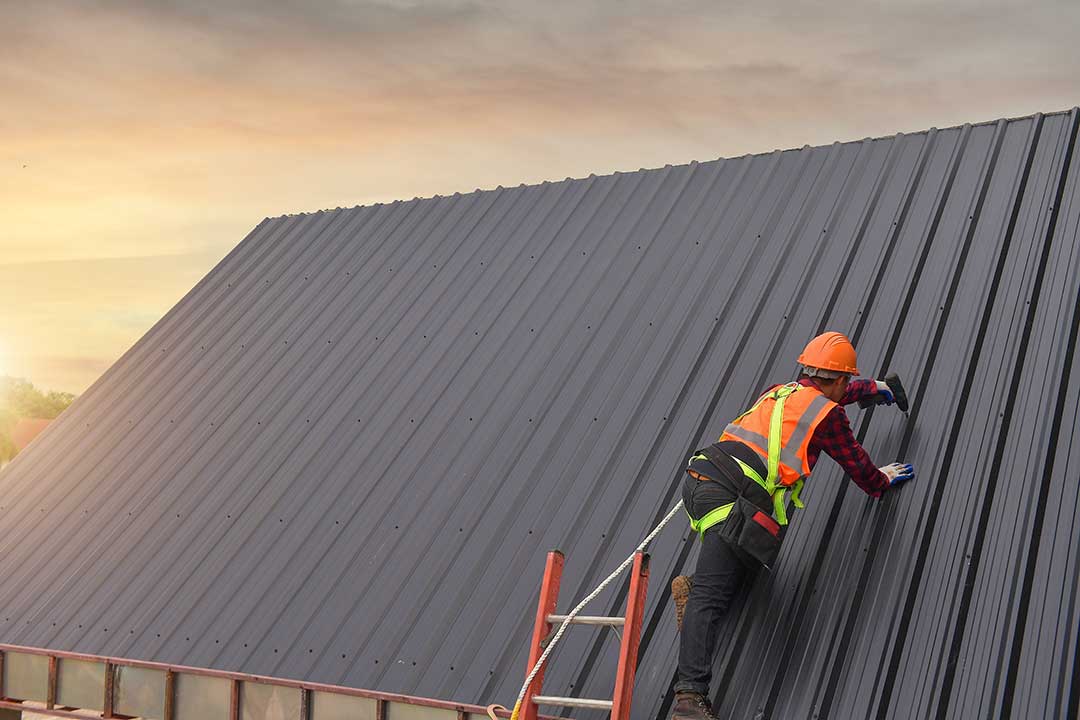
Checking these areas each season is a practical habit for area homeowners.
What Do People Commonly Overlook During Roof Inspections?
Homeowners often forget less visible trouble spots:
-
- Gutter systems: Even if the roof surface looks intact, clogged or saggy gutters can cause water to pool under shingles
- Attic ventilation: Blocked or insufficient vents can trap moisture, shortening the life of insulation and roofing materials
- Fastener heads and exposed nails: Over time, these can rust and begin to stain or permit leaks
- Storm debris: Small sticks and leaves may look harmless but can slowly lift shingles or block drainage
Neglecting these details sometimes leads to mysterious leaks that are harder to diagnose later.
What Should Homeowners Do If They Find Signs of Roof Damage?
Discovering minor issues—such as a couple of missing shingles or clogged gutters—can often be addressed with basic maintenance. If the problem involves large missing sections, visible leaks, or evidence of structural sagging, it becomes a question of safety and water intrusion. Homeowners can protect their property by covering exposed spots temporarily and documenting damage, particularly if insurance may be involved. For any repairs that require climbing on high or steep parts of the roof, or when the damage is extensive, local safety and building standards point toward seeking expertise to avoid injury or missteps that might weaken the structure.
Are DIY Roof Repairs Recommended in Marshall County?
Many homeowners feel comfortable clearing leaves, cleaning gutters, or fastening loose gutter hardware. More complex repairs—like replacing shingles, working on flashing, or dealing with sagging decking—can involve hidden hazards and may not be permitted by local building codes unless performed in accordance with standards. Simple patching or minor fixes may be a reasonable short-term solution, especially if weather is expected, but permanent repairs should align with area regulations and aim to preserve home value and safety.
What Local Weather and Seasonal Patterns Most Affect Roofs?
Residents here deal with heavy rain from late spring through early fall, contributing to quick moss and algae growth and the potential for wind damage. Winter can also bring cold snaps and brief periods of snow or freezing rain—conditions that can worsen unseen weaknesses or create new leaks once ice melts. Monitoring the roof after each major weather event helps homeowners keep their roofs in good condition year-round.