

 See My Latest Article on HelloNation
How Do Local Weather Patterns Influence Roof Lifespan?
Weather is one of the main factors shaping the longevity and performance of residential roofs in Marshall County, AL. The area’s climate, featuring a mix of hot summers, occasional severe storms, and periodic cold snaps, exposes roofing materials to repeated stress and deterioration.
Residents should be aware that the combination of heat, rain, wind, and humidity uniquely impacts roofing here. Each weather pattern introduces specific risks that can shorten a roof’s life or create repair needs—even for newer installations.
Can Heat and Sunlight Cause Lasting Roof Damage?
Yes, sustained heat and direct sunlight play a significant role in wear and tear. In this region, extended periods of high temperatures during the summer months can:
- Cause roof shingles to dry out, curl, or blister, especially with asphalt-based products
- Lead to the gradual breakdown of roofing adhesives and sealants
- Fade roofing materials, weakening their protective coating
The rooftop temperatures can rise far above outdoor air temperatures, especially during peak afternoon hours. Residents sometimes overlook attic ventilation, but adequate airflow helps dissipate heat and reduces the risk of damage caused by trapped heat under the roof deck.
How Do Rain and Humidity Contribute to Roof Issues?
Frequent thunderstorms and high humidity can lead to multiple moisture-related challenges for local roofs. In Marshall County, moisture isn’t just related to rain—it lingers in the air, promoting:
- Moss or algae growth on shaded or north-facing roof sections
- Gradual wood rot in roof decking or rafters if leaks go unnoticed
- Deterioration of underlayment and flashing around chimneys or skylights
Rain-heavy seasons may reveal preexisting vulnerabilities. Even small cracks or weak shingles can allow water to seep in, making periodic visual inspection from the ground after storms a practical habit for homeowners. For homes with lower slopes or older repairs, ponding water may accelerate problems.
What About Wind and Storm Hazards?
Thunderstorms occasionally bring strong winds and, at times, tornado risks to the area. Wind-related damage may not always be obvious from the ground, but it can include:
- Lifting or tearing of individual shingles, tiles, or metal panels
- Displacement of ridge vents or flashing, leading to leaks
- Debris, such as branches, scraping or puncturing roof surfaces
Wind-driven rain can also force water into seams or gaps not usually exposed during gentle rainfall. After periods of severe weather, it’s common for residents to notice new leaks or loose roofing around the perimeter or at roof edges.
Does Cold Weather or Sudden Freezes Affect Roofs Here?
Winter weather poses less overall threat than summer extremes, but occasional cold snaps or freezing rain can still have noticeable effects:
- Freeze-thaw cycles can expand small cracks, worsening preexisting deterioration
- Rapid temperature drops can make some older roofing materials brittle or prone to cracking
- Accumulation of ice at eaves (ice dams) is rare but possible during atypically cold winters
Homes with poorly insulated attics are at greater risk during brief cold spells. Proper attic insulation and sealing help minimize temperature swings that contribute to roof stress.
Are There Overlooked Local Factors That Impact Roofing?
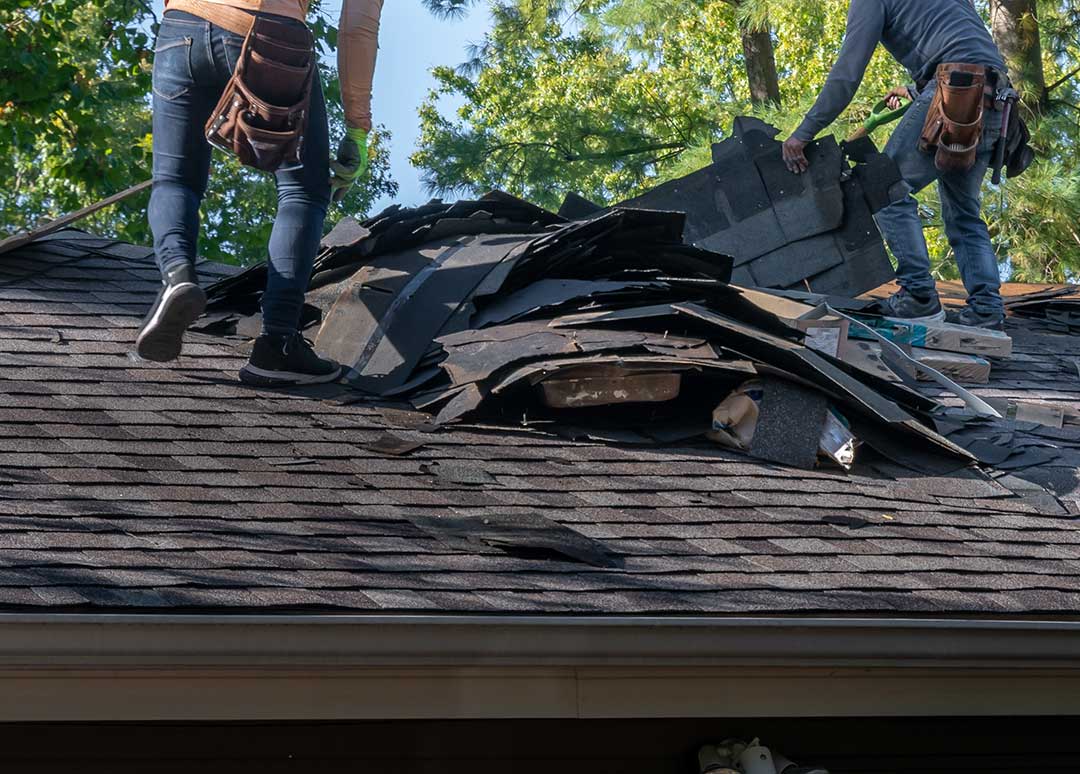
Tree coverage is common in many Marshall County neighborhoods and brings additional considerations:
- Overhanging branches can scrape roofing during storms or deposit leaves, clogging gutters and promoting water pooling
- Shade from large trees may increase moss or algae on roof sections that dry out slowly
- Falling acorns, pinecones, or twigs can accelerate shingle aging
Regular gutter cleaning and trimming of nearby tree limbs can prevent minor weather effects from turning into major problems.
How Should Residents Respond After Severe Local Weather?
It’s wise to make a habit of checking for visible roof changes after harsh weather, but safely—from the ground or a window. Look for:
- Missing or visibly shifted shingles, tiles, or panels
- Dark streaks or damp patches in attic spaces
- Debris build-up near roof valleys or gutters
While minor debris can be cleared carefully by the homeowner on a stable ladder, more complex or high-up issues—especially following major wind or hail—are safer left to professionals, especially if roofing materials appear unstable.
What Are Signs That a Roof Needs Weather-Related Attention?
Common early indicators of weather-related wear include:
- Isolated water spots on interior ceilings
- Uneven shingle lines as viewed from the yard or street
- Moss, algae, or discoloration appearing in blotchy patches
Ignoring these signs allows small weather-related weaknesses to grow into costly repairs. Even if large-scale storms are rare, the slow, cumulative effects of sun, rain, and humidity require ongoing attention to roof condition in this area.