

 See My Latest Article on HelloNation
How Long Do Roofs Typically Last in Marshall County, AL?
Most residential roofs in the area will last between 15 and 30 years, depending on the material and local conditions. Asphalt shingles, commonly found on homes in Marshall County, often have a lifespan of about 20 years, while metal or tile roofs may last longer if well maintained.
Local weather plays a big role in roof longevity. Marshall County experiences a mix of heavy rainstorms, occasional hail, humid summers, and the odd winter freeze—all of which can shorten a roof’s expected life. Homeowners should be aware that severe storms or consistent high humidity may cause roofing materials to age faster than advertised.
What Are the Telltale Warning Signs My Roof Needs Replacement?
The most reliable indicators are visible damage, recurring leaks, and the age of your roofing system. Here are specific warning signs commonly seen by area homeowners:
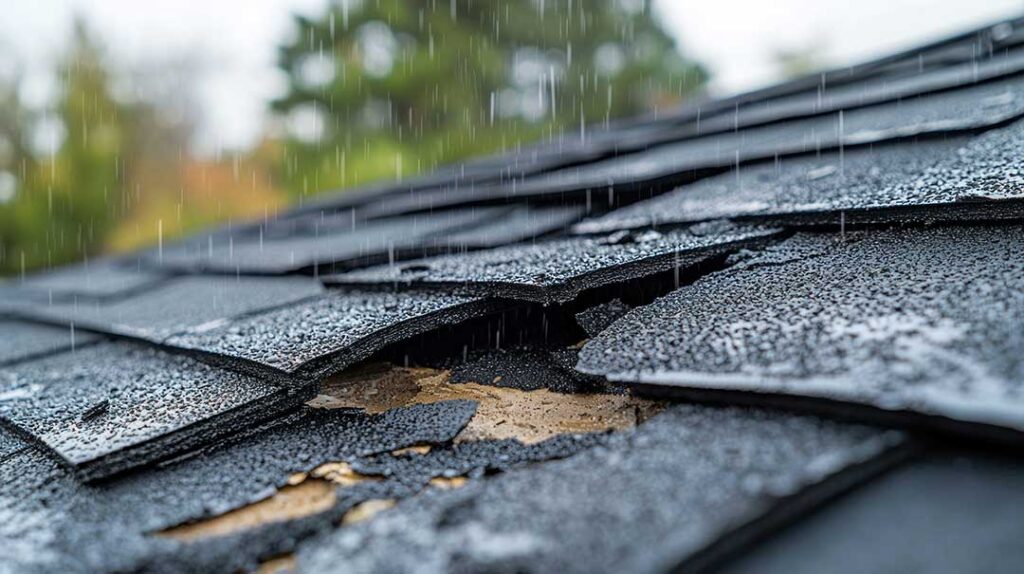
- Curling, cracked, or missing shingles—this often shows up after a severe storm.
- Frequent leaks, especially after heavy rains, which may signal worn-out underlayment or flashing.
- Sagging or uneven areas in the roof, which can indicate structural damage or moisture penetration.
- Granules in gutters or on the ground below downspouts—a typical symptom for aging asphalt shingles.
- Growth of moss or mold, particularly on shaded or poorly ventilated roof sections, suggesting trapped moisture.
If more than a handful of these issues appear across several areas of the roof, the system may be reaching the end of its life.
Are Occasional Repairs Enough, or Is Full Replacement Needed?
Minor, isolated problems, like a few missing shingles or a single leak, can often be addressed with repairs. However, widespread shingle loss, repeated water infiltration, or persistent sagging usually mean that patching up trouble spots won’t be enough in the long run.
For area households that have already fixed the same leak multiple times or noticed repairs don’t last through the seasons, it may be more practical and cost-effective to consider a full replacement. This is especially true for roofs that are already two decades old or more, as underlying materials can fail even when surface symptoms seem manageable.
How Does Marshall County’s Weather Affect Roof Aging?
The humid climate, sporadic heavy rainfall, and seasonal temperature swings typical in Marshall County accelerate wear and tear on roofs:
- High humidity and summer storms can lead to algae, moss, and water infiltration around shingles and flashing.
- Sudden temperature drops—even rare winter ice—cause roofing materials to expand and contract, making them brittle over time.
- Hail events, while not constant, can crack shingles or dent metal panels, making a roof more vulnerable even if the damage isn’t immediately visible.
These factors mean homeowners in Marshall County may need to replace their roofing sooner than national averages suggest.
Can I Wait If Leaks Are Small or Only Happen Sometimes?
Even minor leaks should be taken seriously, especially in an area prone to heavy downpours and humid summers. Unaddressed water entry can quickly lead to:
- Rotted decking or rafters below the roof,
- Damage to insulation and ceiling materials,
- Mold growth inside attics, which is harder to remove in humid climates.
The sooner a persistent leak is addressed, the less likely major repairs will be needed. Waiting can allow hidden problems to worsen out of sight.
What Are Some Common Misconceptions About Roof Replacement?
A few myths often lead local homeowners to delay needed work:
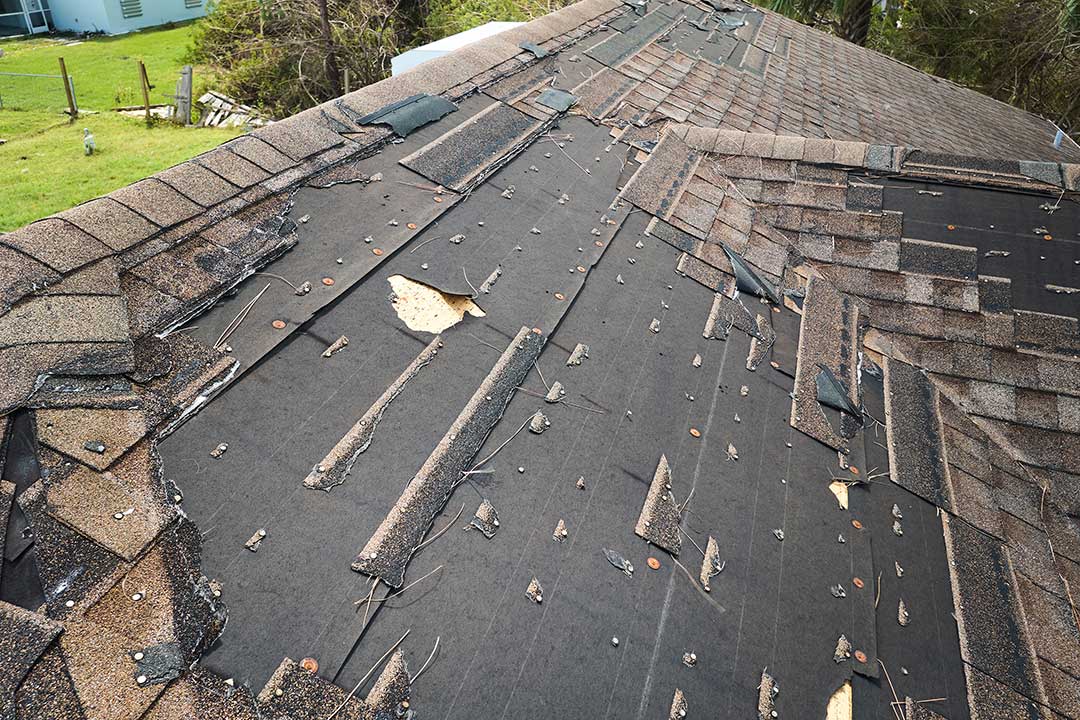
- Believing that only visible, missing shingles mean trouble—hidden moisture intrusion can cause damage long before exterior signs appear.
- Assuming newer roofs can’t have serious problems—improper installation or storm damage can significantly shorten lifespan.
- Thinking “spot repairs” are always enough—sometimes they only address surface symptoms, not underlying failure.
Recognizing that roofs age differently based on climate, material, and maintenance helps prevent surprises.
What Should Homeowners Look for During a Basic Roof Check?
Regular roof checks, especially after big storms, help spot problems early. While climbing on the roof is not recommended for safety reasons, residents can watch for the following from the ground or inside the attic:
- Sunlight shining through attic boards or visible water staining,
- Dark streaks or moss growing on shingles,
- Debris accumulation in valleys and gutters,
- Shingles that appear lifted, curled, or discolored from a ground-level view.
Noticing these can prompt a closer investigation to decide if simple repairs or a more significant intervention is needed.
Are There Local or Regional Regulations Affecting Roof Replacement?
In the Marshall County area, most re-roofing projects must comply with relevant building codes and may require a permit from the county or relevant municipality. Local regulations typically address:
- Mandatory tear-off of old layers if a roof already has more than one,
- Ventilation standards to cope with the region’s humid climate,
- Requirements for shingle type and wind resistance based on weather patterns.
Checking these guidelines before work begins helps ensure safety for households and compliance for future property sales.