

 See My Latest Article on HelloNation
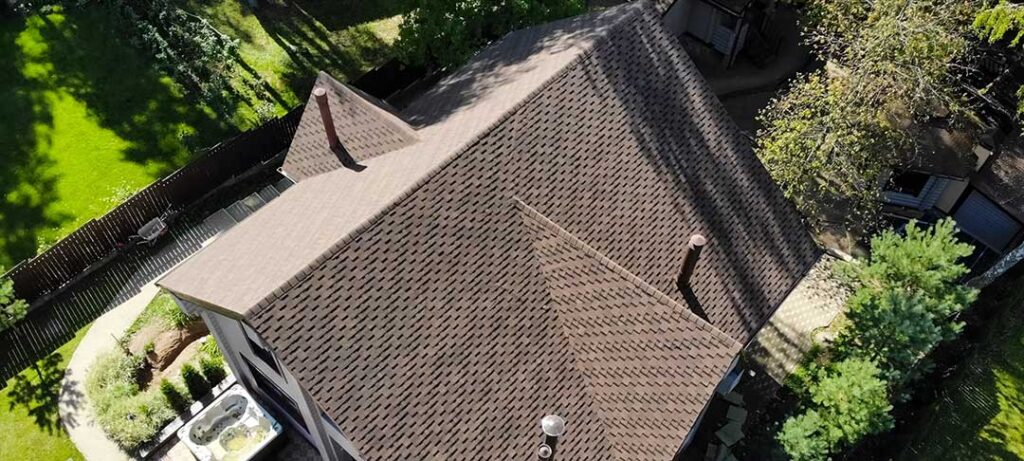
Why Do Residents Seek Roof Inspections in Marshall County, AL?
A professional roof inspection offers homeowners peace of mind, especially with the mix of seasonal storms and high humidity common to Marshall County. Residents often ask about roof inspections after noticing leaks, before selling a home, or following hail or wind events. Regular checks can catch small problems early and help prevent expensive repairs down the road.
In areas like Marshall County, where roofs are exposed to shifting temperatures and severe weather, inspections play a key role in protecting homes and maintaining property value.
What Does a Roof Inspector Actually Do?
A thorough inspection involves much more than a quick glance at shingles. A trained inspector assesses visible signs of damage, checks hidden trouble spots, and evaluates the overall condition of materials. The process usually includes:
- Examining shingles, tiles, or metal panels for cracks, curling, or missing sections
- Inspecting flashing around chimneys, vents, and skylights for gaps or rust
- Checking gutters and downspouts for clogs, shingle granules, or standing water
- Spotting evidence of moss, algae, or mold growth due to local humidity
- Evaluating the roof’s structure from the attic, looking for moisture stains or daylight leaks
- Searching for sagging, rot, or signs of animal intrusion
Homeowners in Marshall County can expect an inspector to move carefully across the roof (weather permitting) and document their findings with photos and notes.
How Long Does a Typical Roof Inspection Take?
The time needed for a roof inspection usually falls between 30 and 90 minutes. The exact duration depends on roof size, pitch, and overall accessibility. For example, a simple one-story ranch takes less time than a two-story home with multiple roof angles and features.
If an attic check is included, the inspection may run longer to ensure all potential leak points are identified. Inspectors are generally efficient, aiming to disrupt homeowner routines as little as possible.
Which Areas Get the Most Attention?
Inspectors focus most closely on areas where problems frequently develop due to Marshall County’s climate and roof styles. These trouble spots often include:
- Eaves and roof edges, where water runoff can cause rot
- Valleys, where roof planes meet and debris can accumulate
- Areas around satellite dishes, vents, and HVAC systems, which are prone to leaks
- Chimneys, as shifting temperatures can expand cracks or weaken mortar
They also examine the condition of underlayment if accessible, as well as the general layer of protective granules on asphalt shingles – something easily lost during summer downpours.
Should Homeowners Be Present During an Inspection?
Homeowners aren’t required to be present, but many choose to stay on-site. This allows for direct communication and the chance to see issues firsthand if the inspector provides a walk-through. Some inspectors may invite questions during or after the process, offering practical tips on maintenance or highlighting areas for future monitoring.
If storm damage is suspected, having someone available to point out interior water stains or attic concerns can help clarify the scope of needed repairs.
What Types of Documentation Will Be Provided?
Following the inspection, homeowners typically receive a written report that summarizes findings. High-quality inspectors in Marshall County often include:
- Photographs of problem areas
- Descriptions of both major and minor issues found
- Recommendations for repair or follow-up (if safety-related)
- An overall assessment of remaining roof life
These records are particularly valuable for insurance claims, home sales, or planning future repairs. They provide a clear baseline for the roof’s condition, which can be referenced if issues develop later.
What Isn’t Covered in a Standard Roof Inspection?
Certain items fall outside the scope of a typical inspection. Inspectors generally do not:
- Conduct invasive or destructive testing (such as pulling up shingles)
- Make repairs during the inspection visit
- Offer laboratory mold or asbestos testing
- Diagnose internal ceiling or wall leaks not originating from the roof
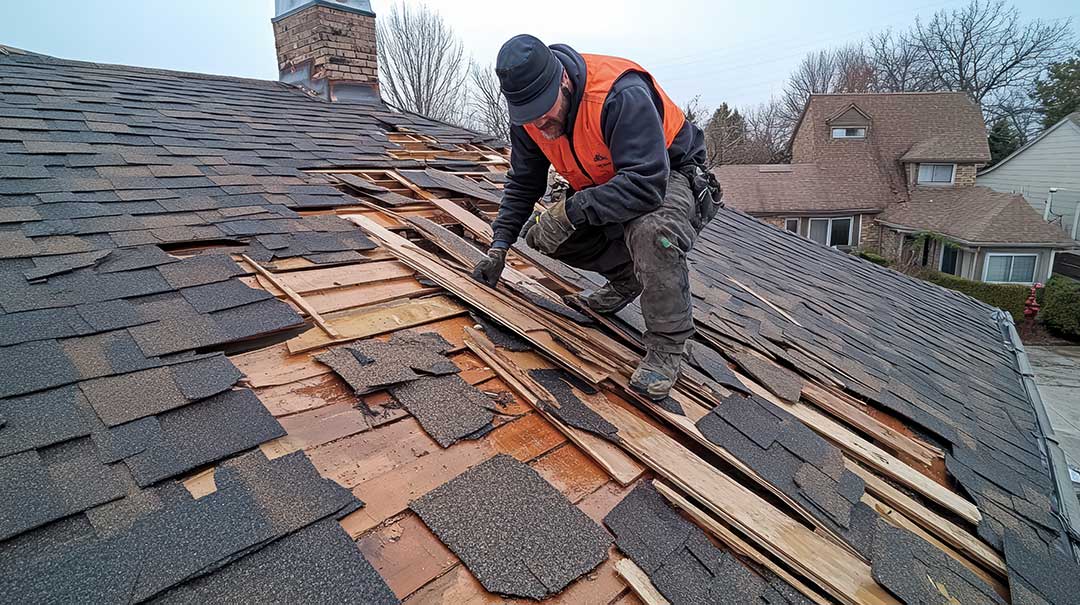
Clarifying these boundaries beforehand helps homeowners know what to expect and prevents misunderstandings.
Are Roof Inspections Needed After Every Storm?
Residents often wonder if they need an inspection after each severe weather event. While not every passing thunderstorm will require a professional evaluation, it’s wise to seek an inspection if:
- Hail or high winds have recently hit the area
- New water stains or leaks appear indoors
- Shingles, flashing, or gutters seem visibly damaged from the ground
Annual or biannual checks are also recommended due to the region’s storm frequency and fluctuating weather patterns. These intervals help ensure ongoing safety and early detection of damage.
What Common Misconceptions Do Homeowners Have?
It’s common to believe that only old or visibly damaged roofs need professional attention. In reality:
- Even new roofs can suffer from poor installation or weather-related issues
- Small leaks may take months to become obvious but cause major internal damage
- Not all problems are visible from the ground or at a distance
Ignoring minor signs, such as loose granules or mildew stains, can lead to structural and health concerns over time.
What Should Residents Do Before and After an Inspection?
Before an inspection:
- Clear driveway and access points for the inspector’s safety
- Remove stored items from attic entrances if an interior check is planned
Afterward:
- Review all provided documentation
- Ask clarifying questions about any findings
- Monitor known trouble spots over the following months, especially after intense weather
Documentation and open communication help homeowners remain proactive about roof care, especially in Marshall County’s unpredictable climate.