

 See My Latest Article on HelloNation
What Risks Do Roofs in Marshall County, AL Face During Hurricane Season?
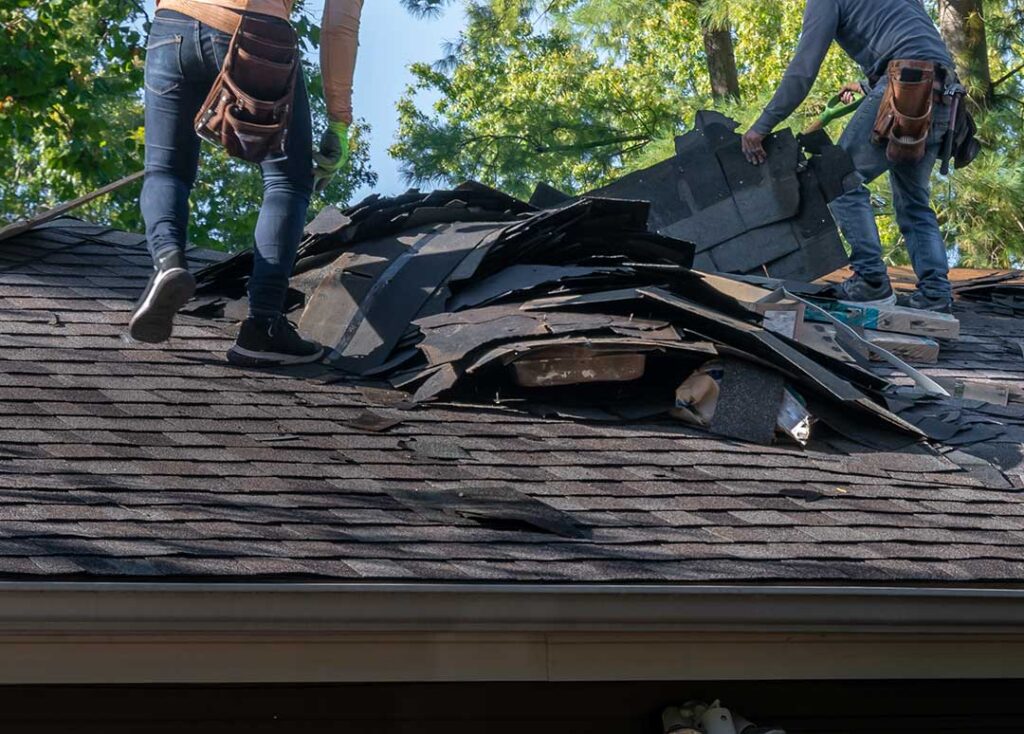
Hurricane season brings a heightened risk of roof damage in Marshall County, AL due to strong winds, heavy rain, and flying debris. Roofs here are often challenged by wind uplift, shingle loss, water intrusion, and falling branches, all of which can lead to significant home damage if not addressed before storms arrive. Being aware of these risks is the first step to minimizing potential problems this season.
How Can Homeowners in Marshall County, AL Inspect Their Roofs for Vulnerabilities?
Local homeowners can spot warning signs before hurricane season begins by walking the perimeter of their property and safely inspecting their roof from the ground (or using binoculars). Signs that a roof may be vulnerable include:
- Missing, curled, or cracked shingles
- Loose or exposed nails
- Sagging gutters or downspouts
- Moss, algae, or debris buildup
- Water stains on attic rafters or ceilings inside the home
Close-up inspections (only when safe) may reveal hidden issues, but anyone uncomfortable on a ladder should stick to ground-level checks. For roofs with a pitch or height that introduces risk, further inspection should be done by someone with proper safety equipment.
Which Parts of the Roof Need Extra Attention in Marshall County During Storm Preparation?
Certain areas of roofs are more likely to fail during a hurricane. Residents should pay close attention to:
- Roof edges and ridges, where wind is strongest
- Areas around chimneys, skylights, and vents
- Flashing (metal strips that seal roof joints)
- Valleys where two roof sections meet and water concentrates
Leaks often start in these vulnerable spots. Gaps or deteriorating sealant around chimneys or vent pipes are a frequent source of storm-related leaks in the community.
What Maintenance Tasks Help Protect a Roof from Wind and Water?
Proactive maintenance plays a key role in preparing for hurricane season. This includes:
- Clearing leaves, pine needles, and debris from gutters and valleys to ensure water flows off the roof quickly
- Securing any loose shingles or replacing damaged ones
- Reinforcing or re-caulking flashing and roof penetrations
- Trimming tree branches that overhang the house to reduce the risk of limbs breaking onto the roof
- Checking attic insulation and ventilation, as proper airflow can limit moisture buildup
Many residents overlook gutter cleaning, but clogged gutters are a primary cause of water backing up under shingles and entering attic spaces during heavy downpours.
Should Homeowners Use Hurricane Straps or Additional Fastening in Marshall County?
Some homes in Marshall County, especially older ones, may not have modern hurricane straps or enhanced roof deck attachment. Hurricane straps anchor the roof structure more securely to the walls, offering added resistance to wind uplift. While adding straps is easiest during a major roof renovation, simple improvements such as adding roofing nails or screws to loose sheathing can boost wind resilience.
Residents considering upgrades should check with local building codes for any requirements regarding roof reinforcements. Any structural modifications involving the home’s framing and attachment may require a permit.
How Can Homeowners Spot and Fix Small Problems Before They Become Big Ones?
Addressing small problems before hurricane season can prevent larger repairs. Here are some minor repairs that make a big difference:
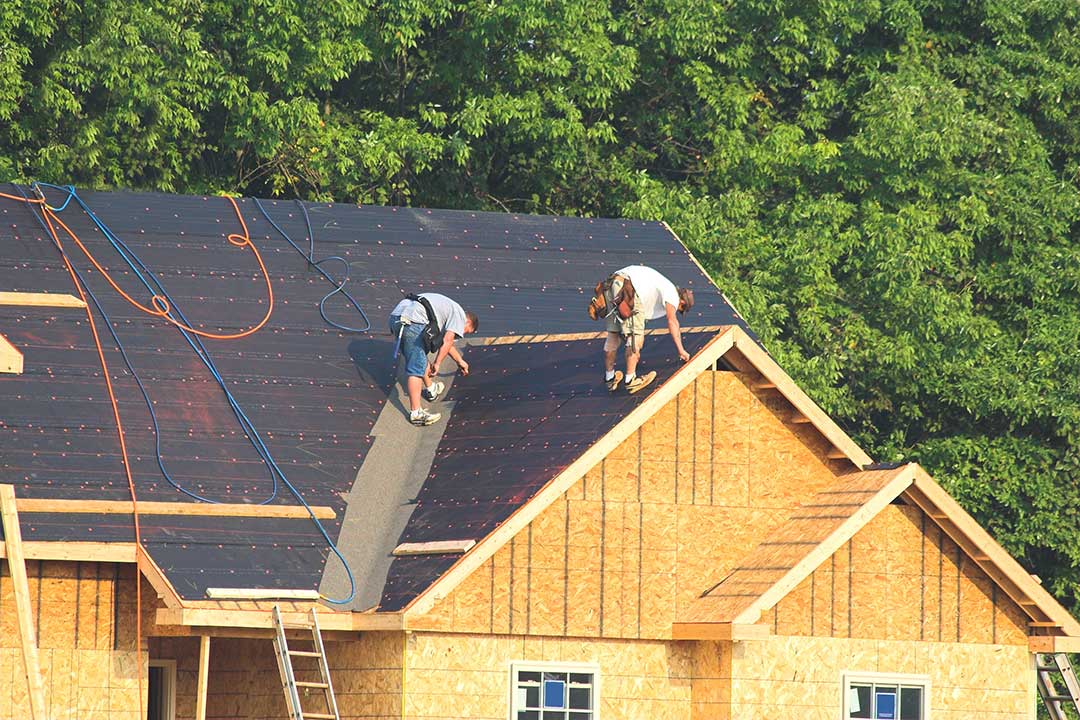
- Replacing missing or loose shingles
- Nail-popping repairs—hammer or replace nails that are backing out
- Sealing minor cracks in flashing with roofing sealant
- Reattaching or screwing down loose gutter brackets
Even small leaks or exposed nail heads can let water penetrate the roof during driving rain. Local experience shows that sealing these early keeps interior water damage at bay.
What Role Do Insurance and Documentation Play in Storm Preparation?
Homeowners should document the current condition of the roof with clear, dated photos before hurricane season. This helps with future insurance claims if damage occurs. It is also wise to review home insurance policies, paying special attention to coverage details for roof repairs or replacement after a storm. After severe weather, before making temporary repairs, additional photos should be taken to show new damage. Residents often find this step simplifies the claims process and prevents disputes about what was pre-existing.
Are There Local Resources or Programs to Assist with Roof Preparation?
Marshall County residents can check for local government or municipal announcements about hurricane preparedness fairs or informational sessions. Public safety agencies sometimes provide updates or checklists for storm readiness as hurricane season approaches. For those unsure about compliance with local guidelines, the city’s building department is a trusted source for interpreting code or reinforcement requirements specific to residential roofs.
What Are Common Mistakes Residents Make When Preparing Their Roofs for Hurricane Season?
Among the most frequent missteps:
- Delaying roof inspections until storms are forecast, instead of early in the season
- Ignoring small, easy-to-fix issues like loose shingles or clogged gutters
- Overlooking the importance of trimming nearby trees
- Using short-term patching materials that won’t hold up under high winds
Preparation is most effective when done methodically and ahead of time, leaving less risk for last-minute scrambling.
How Often Should These Steps Be Repeated?
Local roofing conditions and climate mean that annual preparation, ideally in late spring, is usually sufficient. However, after each major storm, residents should perform a quick follow-up inspection—sometimes storms will expose weaknesses that weren’t evident earlier in the season.