

 See My Latest Article on HelloNation
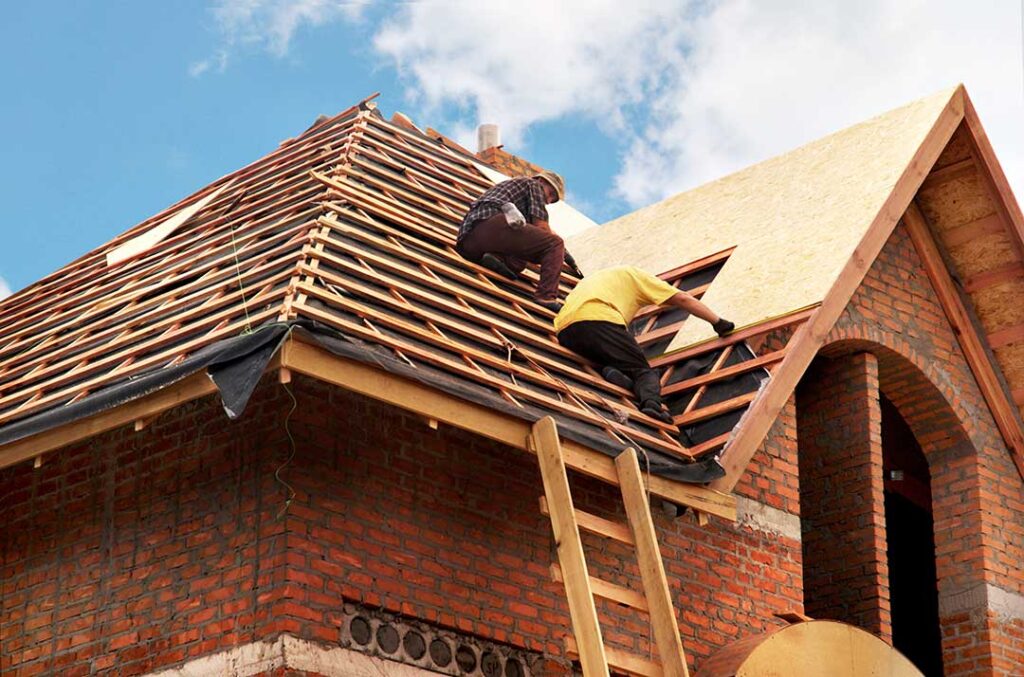
Why Are Roof Inspections Needed in Marshall County, AL?
Roof inspections are an essential part of home upkeep, especially in areas like Marshall County, AL, where the mix of humid summers, occasional high winds, and heavy rain can stress local roofs. Residents often turn to inspections after a storm, but regular checks can catch minor issues before they turn into costly repairs.
Regular inspection helps identify:
- Shingle damage from wind or hail
- Leaks or moisture problems caused by heavy rain
- Weak spots from moss, algae, or debris
- General aging or wear due to sun and humidity
How Often Should Area Households Inspect the Roof?
Most roofs in the region benefit from a visual inspection at least twice a year—typically in early spring and late fall. In the city, severe weather such as summer thunderstorms or rare winter ice events may require additional spot checks. After any significant storm or wind event, a glance from the ground or attic for visible signs of trouble is wise.
What’s Included in a Thorough Roof Inspection?
A complete roof inspection goes beyond a quick glance. Residents should cover several key areas, always prioritizing safety—never climb a roof if there’s risk of falls or damage.
A typical residential roof review includes:
- Examining shingles for curling, cracking, or missing pieces
- Checking for granule loss in gutters, which signals shingle wear
- Inspecting flashing around chimneys, vents, and valleys for rust or gaps
- Looking for sagging spots that could suggest structural problems
- Scanning for algae, moss, or lichen, especially on shaded portions
- From the attic: Checking for damp insulation, visible stains, or light peeking through boards
Can Inspections Prevent Leaks Before They Start?
Early detection is the best defense against water damage. Small cracks, misaligned shingles, or loose flashing can allow rain to penetrate—especially during the heavy downpours common across the area. By regularly spotting and fixing these small faults, homeowners can often avoid major leaks entirely.
What Are the Most Common Issues Found During Inspections?
In the local climate, a few roof issues show up repeatedly:
- Shingle loss from wind gusts
- Algae streaks from humid conditions, which may not be harmful but can signal aging
- Popped nails or loose flashing near ridge vents and chimneys
- Clogged gutters, leading to water back-up under shingles
- Stains or mildew in attic spaces caused by poor ventilation
Addressing these promptly extends the life of the roof and protects everything beneath it.
Are DIY Roof Inspections Safe and Effective?
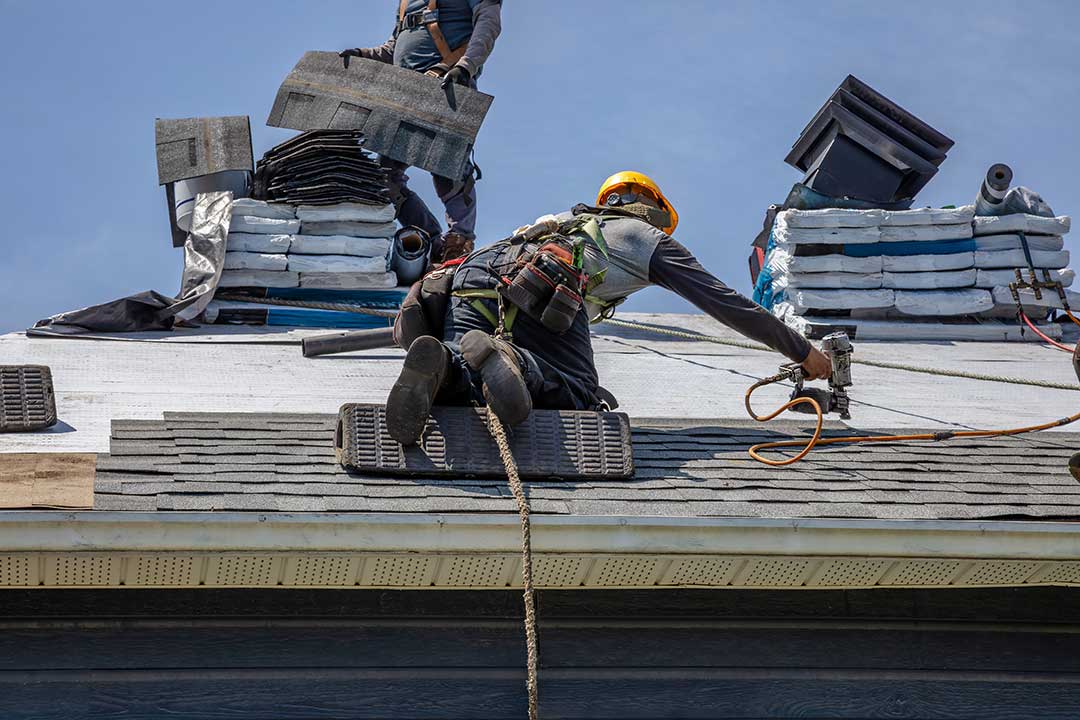
Residents can perform many inspection steps from the ground with binoculars, and from the attic or upper-story windows. Safety should never be overlooked—steep or slippery roofs, or situations involving electrical wires, require extra caution. DIY checks are suitable for:
- Spotting missing, curled, or damaged shingles
- Looking for obvious moss or debris build-up
- Viewing gutters for overflowing water or shingle grit
More detailed or high-risk situations—such as suspected structural issues or damage near power lines—may require consultation with building officials or specialized trades.
How Does Marshall County’s Climate Influence Roof Longevity?
With high humidity, frequent storms, and many homes shaded by trees, the region’s roofs face unique challenges. Moss and algae thrive in shaded, moist conditions. Additionally, rapid heat-up and cool-down cycles can prematurely age asphalt shingles. Awareness of these weather patterns helps homeowners know what to watch for between full inspections.
What Should Homeowners Watch for After Severe Weather?
After strong winds, hail, or heavy rain, a prompt inspection from the ground or attic can prevent later surprises. Signs to check in the aftermath include:
- Clusters of granules in downspouts or at gutter exits
- Exposed roof decking, visible wood, or shifted flashing
- Leaks or damp spots in ceilings or attic insulation
- Tree branches resting against or puncturing the roof
Reporting storm damage to appropriate local agencies for community recordkeeping can also be helpful.
Do Local Regulations Affect How Inspections Are Handled?
Most residential roofs in the city do not require official inspections unless recovering from a declared disaster or for certain insurance claims. However, municipal codes or homeowners’ associations may set their own rules about roof maintenance or replacement. Some older neighborhoods may have unique historical guidelines, particularly for restoring original materials or styles.
What Are Examples of Overlooked Issues in Local Inspections?
It’s easy to miss subtle problems such as clogged soffit vents, which affect attic ventilation and moisture levels. Similarly, small rust spots on metal flashing, if not noticed, can widen into bigger leaks. Homeowners sometimes forget to check hidden valleys or areas behind satellite dishes, where debris often collects unnoticed.
Remaining diligent with both visible and less apparent trouble spots gives local households the best chance at preserving their roofs for many years.