

 See My Latest Article on HelloNation
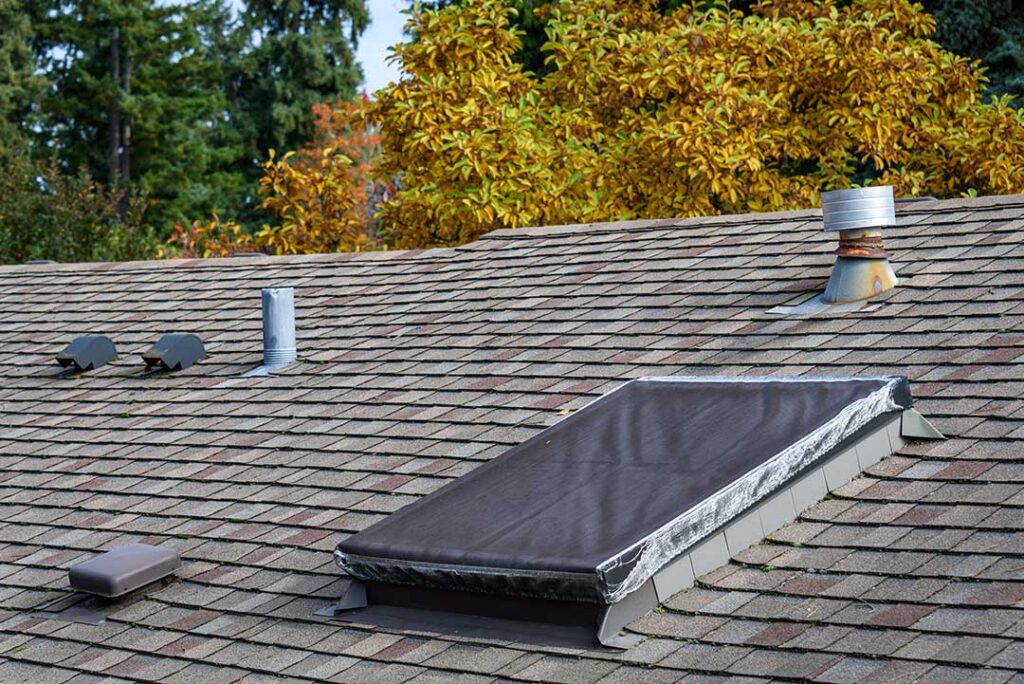
Why Does Proper Roof Ventilation Matter for Homes in Marshall County, AL?
Good roof ventilation lets air move freely through an attic or roof space, helping the home handle Marshall County’s humid summers, seasonal storms, and year-round temperature swings. Without it, heat and moisture get trapped under the roof, leading to issues many local homeowners don’t see until damage appears. Ventilation matters not just for a roof’s lifespan, but also for indoor comfort, energy efficiency, and even health.
What Problems Can Happen from Poor Roof Ventilation?
Lack of proper airflow causes several distinct problems:
- Moisture buildup: Humid air from daily living (laundry, cooking, showers) can accumulate in the attic. If it can’t escape, it may lead to mold growth, stained ceilings, and wood rot.
- Increased heat: Roof surfaces in the city commonly reach high temperatures in summer. Without ventilation, this heat radiates into living spaces, making homes less comfortable and harder to cool.
- Ice damming risk: While rare during most of the year in Marshall County, an occasional freeze combined with poor attic insulation and ventilation can cause melting and refreezing at the roof edge, damaging shingles and gutters.
- Shortened roof life: Trapped heat and moisture both accelerate shingle aging, causing them to curl, lose granules, or fail prematurely.
These problems usually build slowly and may go undetected until repairs become expensive.
How Does Roof Ventilation Work?
At a basic level, roof ventilation uses intake vents (often at the soffits or eaves) and exhaust vents (near the roof’s peak or ridge). Cool, dry air enters at the bottom and pushes out hot, moist air through the top.
This natural cycle requires balanced airflow. Too little intake or exhaust can stall movement—and most homes in the area still have older, under-ventilated roof designs. Newer homes or roof upgrades might use attic fans, ridge vents, or gable vents for better air exchange.
What Are Signs of Poor Roof Ventilation?
Local residents can watch for:
- Damp attic insulation, mildew, or musty smells
- Rusted nails, flaky wood, or water stains in the attic
- Shingles that appear wavy, buckling, or deteriorating faster than expected
- Unusual spikes in cooling bills, especially during heat waves
- Visible mold or peeling paint near rooflines or upper walls
Misconceptions are common; some homeowners believe attic heat is “normal,” but persistent excessive heat usually means ventilation is lacking.
Why Is This Especially Important in a Humid Climate?
Marshall County’s climate means humidity is almost always present, even on breezy days. Moisture-carrying air rises to attic spaces where it can get trapped. With our regular summer thunderstorms, any roof leak compounds the moisture problem. Proper airflow is the only way to consistently dry out an attic in such conditions.
Local homes surrounded by trees may also see leaves and debris partially covering roof vents, unintentionally blocking vital air paths. Routine checks help avoid problems before they start.
How Does Ventilation Impact Home Energy Costs?
A well-ventilated roof keeps attic temperatures closer to the outside air. In summer, this means less heat seeps into living areas, making air conditioning more efficient and reducing utility bills.
In winter, correct ventilation also helps insulation stay dry and effective. Wet insulation loses its R-value (ability to resist heat flow), so the house becomes harder to keep warm. Every season, the right airflow means HVAC systems run less and experience less wear.
Can Proper Ventilation Prevent Structural Issues?
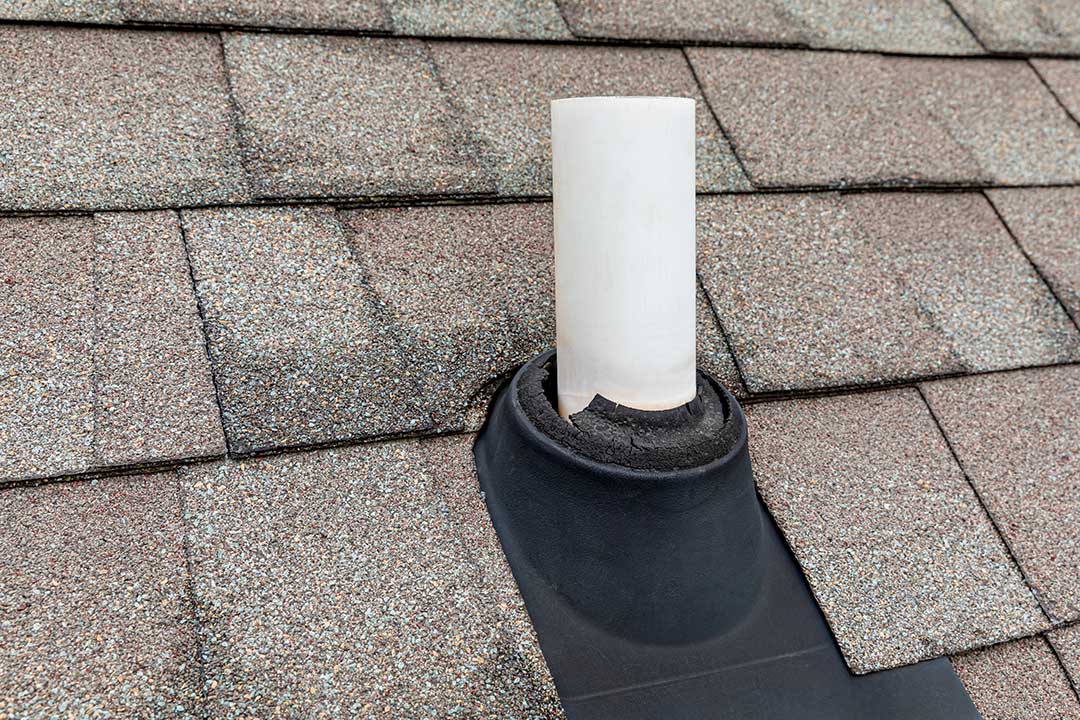
Yes. Moisture trapped in an unventilated attic can cause wood rafters, decking, and other framing to soften or rot over years. In severe cases, this can affect the stability of roof supports or cause sagging sections. Fascia boards, soffits, and roof decking exposed to humidity may also invite pests such as termites or carpenter ants common in the area. Routine checks in visible parts of the attic can reveal watermarks or deteriorating wood before repairs grow significant.
What Should Residents Do to Maintain Healthy Roof Airflow?
Residents can take practical steps:
- Check soffit or eave vents for blockages, such as paint, insulation, or debris
- Look for visible daylight through intake vents when standing in the attic (a sign air can flow in)
- Use caution around fiberglass insulation, and only move it if safe and appropriate
- After storms, check vents for limb, leaf, or nest blockages
- Know that attic airflow is not “just for summer”—it protects homes all year
Misunderstandings are common; for example, covering vents in winter traps moisture and leads to mold. All-season airflow is needed. If mold, wiring hazards, or signs of major deterioration are present, residents should avoid disturbing those areas and seek appropriate assistance for safety reasons.
Common Myths about Roof Ventilation
Some residents worry ventilation will let in cold air and raise heating bills. In reality, roof ventilation should not cause drafts in living spaces—if it does, the attic floor insulation or air sealing may be inadequate. Others believe mechanical fans are always needed, but many homes achieve good results with properly placed passive vents. Another misconception: all homes need the same approach. Houses in shadier parts of the community, those with older insulation, or larger attics may require tailored solutions. —
Good ventilation is a quiet, invisible safeguard for comfort and roofing investment in the community’s varied climate. Attic airflow isn’t just a technical detail—it affects daily costs, comfort, and health throughout the home’s lifespan.