

 See My Latest Article on HelloNation
How Can Tree Limbs Cause Roof Damage?
Tree limbs can cause several types of roof damage, especially in areas like Marshall County, AL, where tree cover is common and storms can bring high winds. Overhanging branches have the potential to scrape shingles, clog gutters, break during storms, or create shaded, damp conditions that affect roofing materials. Even healthy trees can pose risks to roofs if not properly managed.
Regular observation and maintenance are key to minimizing the impact of branches on local roofs. Tree-related risks often go unnoticed until they result in visible damage, such as missing shingles, leaks, or clogged drainage systems.
What Kinds of Roof Problems Are Linked to Overhanging Branches?
Overhanging limbs are frequently responsible for both sudden and long-term roof problems:
- Shingle damage from constant rubbing during wind events can shorten the lifespan of roofing materials.
- Branches that break off during storms may dislodge or puncture roofing, leaving an entry point for water.
- Accumulated leaves, twigs, and seeds can block gutters and valleys, causing water to back up beneath roofing layers.
- Excessive shade keeps roof surfaces damp, especially during humid Marshall County summers, encouraging algae or moss which can degrade shingles and trap moisture.
Minor problems can escalate into major water intrusion or even structural issues if left unaddressed. Gutter clogs from tree debris are especially common locally and compromise proper drainage during heavy rains.
How Do Local Weather and Tree Types Make a Difference?
Certain tree species common in Marshall County, such as oaks, maples, and pines, drop significant leaf, pollen, and sap material each year. Pine needles in particular are difficult to clear from roof surfaces and gutters, and their buildup can allow moisture to linger.
The local climate—with warm, wet summers and occasional severe storms—means roofs are often exposed to both steady debris drop and sudden impacts from storm-blown limbs. Many area homes are surrounded by mature trees, making the chances of a limb falling on the roof during thunderstorms or high winds higher than in more open areas.
Why Does Dampness Under Trees Matter for Roof Health?
Shade from overhanging branches limits the amount of sunlight that reaches roofing. In Marshall County’s humid climate, this can keep roof sections damp for days. Moisture that isn’t able to dry out can:
- Promote the growth of moss, algae, and mold on shingles and roof decking.
- Weaken roofing materials, particularly asphalt shingles, reducing their ability to shed water.
- Lead to wood rot on roof decking or fascia boards.
Many homeowners underestimate how much chronic shade can influence roof condition, especially after several rainy days. Regular monitoring of shaded roof areas is wise.
Are Falling Branches the Biggest Concern?
Large branches dropping on the roof can cause sudden and significant damage, such as cracked or broken shingles, punctured decking, or even crushed structural elements. Mature hardwood limbs in particular are heavy and can cause leaks or compromise structural integrity.
However, gradual wear from smaller twigs constantly rubbing shingles is more common and often overlooked. During storms, wind can swing branches back and forth, scraping roofing granules away and removing the protective layer that helps shingles resist sun and rain.
What Can Area Residents Do to Reduce Risk?
Proactive habits such as these help keep tree-related roof risks low:
- Trim back branches so they don’t hang over the house or rest on roof surfaces, maintaining a safe distance even as trees grow.
- Clean gutters regularly, especially in spring and fall, to prevent debris buildup and water overflow.
- Inspect the roof after storms for signs of fresh abrasions, displaced shingles, or accumulating plant material.
- Watch for shaded, damp spots—particularly on the north side of the roof—where moss or algae are most likely to grow.
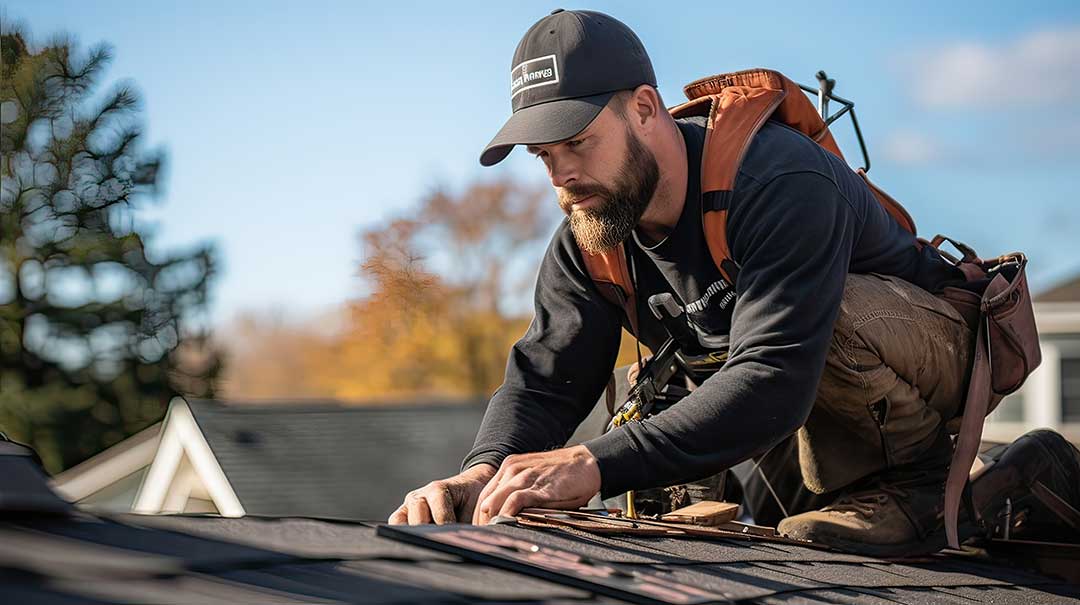
Larger limbs that threaten power lines, or branches too high to reach safely, require special care. Residents should always avoid climbing on the roof or handling heavy limbs during wet or windy conditions to prevent injury.
Can Tree Roots or Falling Trees Impact the Roof?
While most roof issues relate to branches and debris, full tree falls sometimes occur during extreme weather. These events are infrequent but highly destructive, often resulting in structural damage that can displace area residents until repairs are made. Tree roots can also influence foundation stability if trees are located very close to the home, making ongoing monitoring of nearby tree health important. Removing weakened or dead trees near homes is a major preventive step against rare, catastrophic events.
What Are Common Misunderstandings About Trees and Roofs?
Some residents believe that as long as limbs don’t touch the roof, there’s no risk. In reality, wind can easily move branches several feet, bringing them into contact even if they seem safely distant during calm weather. Additionally, even small droppings like pine needles and pollen can cause hidden problems like moisture retention and gutter clogs. Another misconception is that only severe weather matters; in fact, gradual everyday contact and debris buildup pose a greater overall risk over time.
How Does Regular Tree Maintenance Support Long-Term Roof Health?
Managing trees around the home is a practical approach to preventing both sudden and long-term roof problems:
- Strategic trimming reduces direct impact from limbs and decreases the volume of debris.
- Pruning to allow more sunlight can reduce moss and algae growth, supporting faster drying of roof surfaces.
- Consistent clearing of gutters and valleys keeps water flowing away from the house.
These simple practices, when done seasonally, fit well with the rhythm of home maintenance in the region and help area households avoid difficult and costly repairs linked to preventable tree-related issues.