

 See My Latest Article on HelloNation
How Does a Roof Impact Energy Efficiency in Marshall County, AL?
The type and condition of your roof can play a bigger role in household energy use than most residents realize. In the warm, humid summers and cool, rainy winters common in this part of Alabama, a roof’s ability to insulate, reflect, and ventilate contributes directly to heating and cooling costs.
A roof that absorbs less heat, holds up against frequent summer sun, and minimizes air leaks makes it easier for home HVAC systems to do their job. As a result, homeowners generally notice lower utility bills and steadier indoor comfort.
Which Roofing Materials Make a Real Difference for Savings?
Certain types of roofing are naturally more suited to local weather conditions. While appearance and cost draw a lot of attention, thermal performance should also weigh into decision-making.
- Light-colored roofs (also called “cool roofs”): These reflect more sunlight, which means less heat seeps into the attic and living spaces below. Lighter colors can be especially beneficial in Marshall County, where air conditioning is relied on throughout the summer.
- *Metal roofing:* Increasingly common throughout the area, properly installed metal roofs reflect much of the sun’s energy, and usually have long lifespans with minimal maintenance. Many metal roofs are available with coatings that boost reflectivity and reduce heat transfer.
- *Asphalt shingles:* The dominant choice in local neighborhoods, some modern shingles include reflective granules to help reduce heat absorption. Look for options labeled as “cool” or with ENERGY STAR® ratings.
- *Tile roofing:* Less common locally due to weight and cost, but offers substantial insulation and durability. Qualified tile products may keep attics cooler but require structural compatibility.
No material is foolproof — installation quality, attic insulation, and local building standards play just as important a role.
How Does Insulation Under the Roof Affect Comfort?
Good insulation helps prevent temperature swings inside, regardless of the roofing material. In Marshall County homes with unfinished attics, adding or upgrading attic insulation is one of the most effective and affordable ways to cut energy waste.
- *Blown-in cellulose or fiberglass batts* are common choices. Insulation should be installed with an eye on local climate—typically, a higher R-value is better in this region, especially for older homes with less airtight construction.
- *Vapor barriers* are another factor. Humid air leaking into an uninsulated or poorly insulated attic can lead to moisture buildup, increasing the risk of mold, wood rot, and higher energy bills.
Homeowners sometimes overlook the cumulative effect of small gaps: around pipes, chimneys, or attic access doors. Sealing these with caulk or foam keeps conditioned air from escaping and outside air from getting in.
Do Roof Colors Really Matter in This Part of Alabama?
In a warm, sunny climate like Marshall County, the color of the roof can influence indoor temperatures—sometimes significantly. Dark roofing materials absorb more sunlight, making homes hotter in the summer. Lighter roofs reflect more of that heat, helping reduce interior temperatures by several degrees in some cases.
Even a “neutral” colored shingle will typically be cooler than a deep black or brown option. For households with high summer cooling costs, choosing a lighter tone during replacement or construction can offer a simple, lasting benefit.
What About Roof Ventilation? Is It Necessary Locally?
Proper attic ventilation allows heat and moisture to escape, which reduces the strain on air conditioning and helps prevent moisture problems year-round. In hot, humid summer months, attic temperatures can easily rise above 120°F, even on moderate days.
- *Ridge vents* and *soffit vents* work together to promote air movement. With balanced intake and exhaust, hot air exits the attic while cooler outdoor air enters.
- Homes with inadequate ventilation may develop heat buildup, leading to higher cooling costs, faster roof material deterioration, and more wear-and-tear on insulation.
Local building codes generally require minimum airflow, but older houses may lack adequate venting. Residents often see a difference in cooling bills after addressing attic airflow issues.
Are There Common Misconceptions About Energy and Roofing?
Many people assume a new roof alone will solve high energy bills. In reality, proper insulation, ventilation, and air sealing typically have a greater impact on household efficiency than new shingles alone.
Another myth is that metal roofs make homes hotter; in fact, modern coated metals are among the best for reflecting solar heat, especially when paired with correct underlayment and attic insulation.
Finally, area homeowners sometimes think roof work can be delayed since there’s little direct snow load. However, neglecting leaks or underperforming materials leads to excess moisture and heat loss—both of which affect comfort and costs over time.
What Maintenance Steps Help Retain Efficiency?
Keeping a roof energy-efficient isn’t just about the initial installation. Ongoing care makes a big difference:
- Clear leaves, branches, and debris regularly so they don’t block gutters or vents.
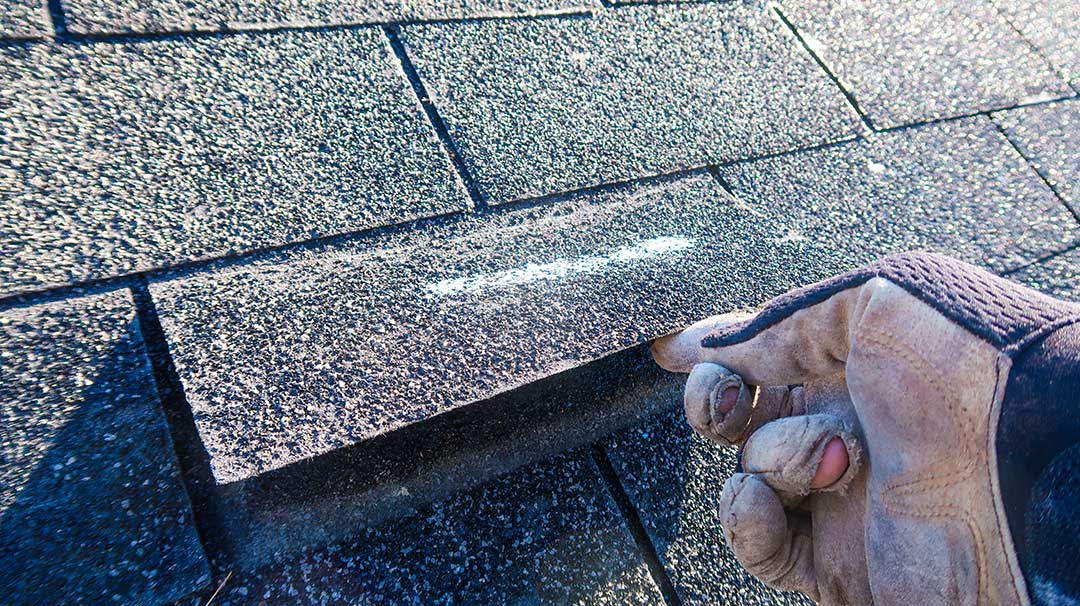
- Check for missing shingles, exposed nail heads, or rust on metal, which can indicate entry points for moisture and air.
- Inspect attic insulation annually, especially after storms, and top up where insulation has settled or shifted.
- Ensure attic vents remain open and unobstructed year-round.
Addressing minor issues promptly helps area households avoid weather-related deterioration and ensures that insulation and ventilation continue to perform properly.
Is Radiant Barrier Worthwhile in Marshall County?
Radiant barriers are reflective materials (usually foil-faced sheeting) installed on the underside of the roof deck, designed to reflect radiant heat away from the living space. In Marshall County’s hot summers, these barriers can reduce peak attic temperatures by 10–20°F, helping cut down on air-conditioning demand. Radiant barriers are most effective when:
- The roof is exposed to direct sunlight much of the day (no dense shade from trees)
- Attic insulation is already in good condition
- There’s adequate attic ventilation
While not a substitute for solid insulation, these can be a cost-effective upgrade for homes that experience very hot attics or have significant cooling needs.
When Should Energy Efficiency Play a Central Role in Choosing a New Roof?
Thinking ahead to energy costs is especially worthwhile for:
- Older homes in the community with minimal insulation or outdated roofing materials
- Residents planning to install solar panels in the future (since roof color, material, and ventilation affect solar performance)
- Households with above-average summer cooling bills, or with rooms that are difficult to keep comfortable
Choosing energy-efficient options is often easiest—and cheapest—when replacing a roof or making upgrades during repairs, rather than as a standalone project.