

 See My Latest Article on HelloNation
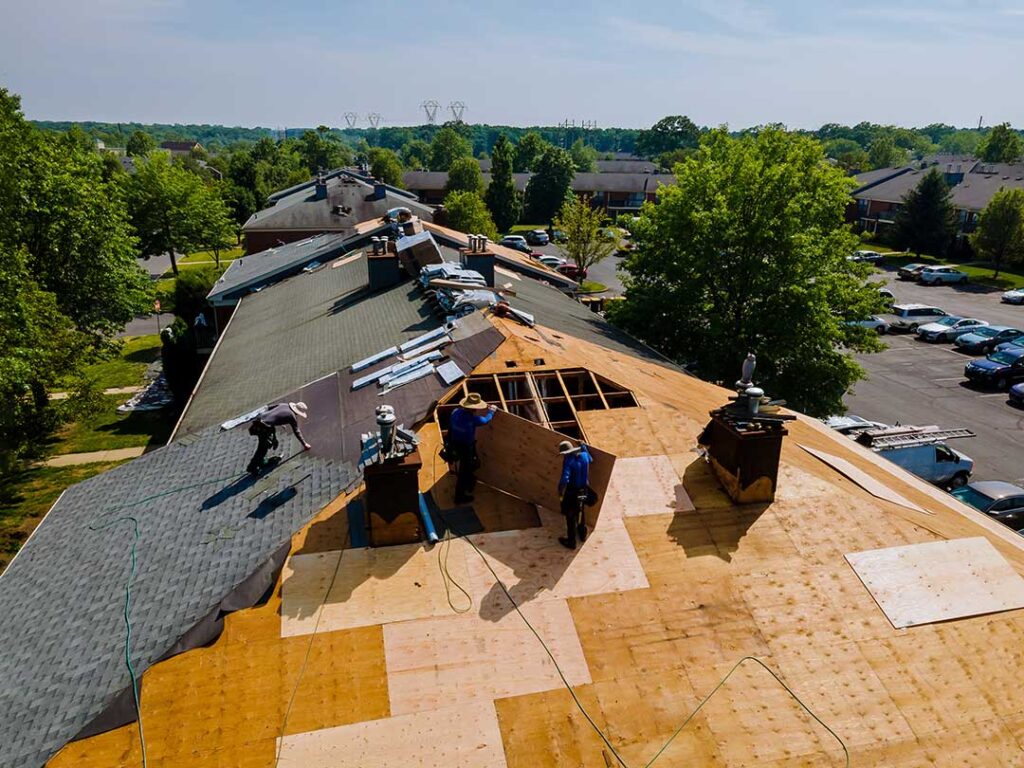
Living in Marshall County, AL, means experiencing the ever-changing moods of Mother Nature. From humid, sun-soaked summers to unpredictable thunderstorms and the occasional brush with winter frost, the weather in our slice of North Alabama is as beautiful as it is challenging—especially for the roofs that shelter our homes and families. Understanding how weather affects your roof helps you prepare, maintain, and protect your investment for the long haul.
The Roof Overhead: Marshall County’s Weather at a Glance
Marshall County enjoys a mild subtropical climate, but this comes with its fair share of intense sunshine, heavy rain, seasonal wind, and infrequent snow or ice. Each weather pattern influences your roof in different ways, and let’s face it—Southern hospitality pairs better with a sound roof than a leaky one!
The Effects of Sun and Heat on Roofing
- Prolonged Sun Exposure: Our long, hot summers mean your roof is exposed to UV rays for extended hours nearly every day. Over time, the sun can bleach and weaken roofing materials, causing asphalt shingles to become brittle and wood shingles to dry out and crack. Clay tiles and metal roofing can also fade or deform under relentless sunlight.
- Thermal Expansion and Contraction: Daily temperature swings—especially in spring and fall—cause roofing materials to expand during the day and contract at night. This cycle can lead to warping, cracking, and weakened seals if not monitored.
How to Spot Sun Damage
Look for:
- Faded, curling, or cracked shingles
- Warped rooflines, especially on the south- and west-facing slopes
- Granules accumulating in gutters (for asphalt shingles)
Rainfall: The Most Common Culprit
Marshall County sees around 55 inches of rainfall a year, well above the national average. While we welcome lush lawns and full lakes, rain is a recurring stress-test for your roof.
- Water Intrusion: Missing or damaged shingles, worn flashing, and clogged gutters can all allow water to seep through—and even a small leak can turn into a big problem if left unchecked.
- Moss and Algae Growth: Humid, shaded areas of your roof foster moss and algae, which retain moisture and may damage shingles over time.
Preventing Rain Damage
- Regularly clear debris from gutters and downspouts
- Inspect for missing, loose, or curling shingles after storms
- Consider algae-resistant shingles if you notice dark streaks or moss
The Impact of Southern Storms and Winds
From pop-up thunderstorms in July to gusty spring fronts, wind is a fact of life in Marshall County. While we don’t see the tornado frequency of some regions, occasional severe weather can gust past 50 mph, causing subtle or serious roofing issues.
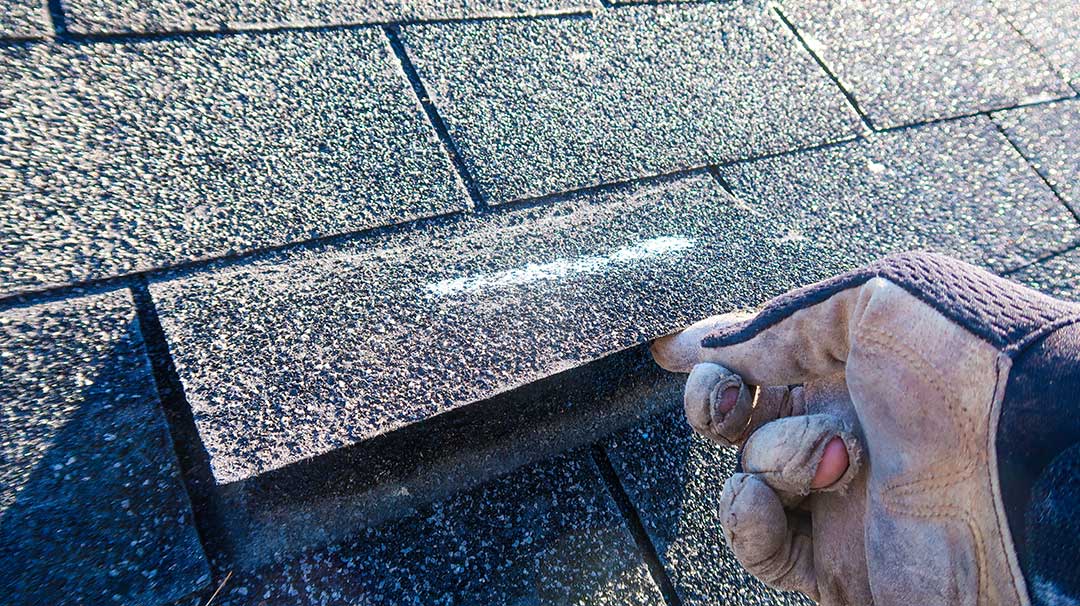
- Uplift and Shingle Loss: Strong winds can lift shingles, break their adhesive seal, or tear them altogether.
- Debris Damage: Falling branches and wind-blown debris can puncture or scrape the roof surface, compromising its protective barrier.
Signs of Wind Damage
- Missing or misaligned shingles
- Creased shingles indicating wind lift
- Exposed or loose flashing around chimneys, vents, or skylights
Winter Woes: Frost, Ice, and Sudden Cold Snaps
Winters around Lake Guntersville are usually mild, but brief cold snaps and the rare snow can still menace your roof.
- Ice Dams: When snow melts and refreezes at roof edges, it creates ice dams that can force water under the shingles.
- Freeze-Thaw Cycles: Water in small cracks or around flashing can freeze and expand, widening gaps and allowing leaks to form.
Protecting Against Cold Weather Roof Problems
- Check attic insulation and ventilation to prevent roof deck condensation
- Have your roof inspected for proper flashing and sealant
Everyday Living in Marshall County: Local Lifestyle Roof Risks
Our laid-back, outdoor lifestyle means you might use your roof for more than just shelter—think satellite dishes, Christmas light displays, or even rooftop gatherings. While these add to Southern charm, they also increase wear and tear if not mindful of roofing materials and fastener placement.
- Avoid nailing or stapling decorations directly to the roof
- Use manufacturer-approved mounting systems for satellite dishes or antennas
Roof Maintenance Tips for Marshall County Homeowners
Keeping up with roof maintenance is your best defense against weather-related wear. Here’s how to stay ahead:
- Schedule Bi-Annual Inspections: Spring and fall mark good times for check-ups, before and after storm seasons.
- Remove Overhanging Branches: Trim trees to prevent limb damage and reduce debris.
- Stay on Top of Repairs: Address missing shingles and leaks right away, especially before heavy rainfalls.
When to Call a Professional
While many problems are visible to the eye, the underlying damage may not be. If you notice persistent leaks, widespread shingle loss, or signs of sagging, it’s time to call a trusted local roofing expert. Timely repairs can save on costly replacements and keep your home cozy, no matter what the Marshall County skies bring.
Final Thoughts: Stay Prepared and Enjoy Peace of Mind
Your roof faces a lot in our unique Alabama climate, but with regular care and awareness, it can protect your home for decades. By recognizing how sun, rain, wind, and even our wintery surprises affect your roof, you can extend its life and keep your family safe and dry—rain or shine.
For citizens of Guntersville, Albertville, or anywhere in Marshall County, understanding weather’s role in your roof’s health is the first step in protecting what matters most.