

 See My Latest Article on HelloNation
What Are Roof Warranties and How Do They Work?
A roof warranty is an agreement that provides certain protections and coverage if roof materials fail or workmanship issues arise. For homeowners in Marshall County, AL, understanding how these warranties operate can prevent confusion down the road and help with decisions after installation or repairs.
There are generally two main types you’ll encounter:
- Manufacturer’s warranties: Cover defects in roofing materials, such as shingles or metal panels.
- Workmanship warranties: Cover mistakes or errors made during the installation process.
Each type serves a different purpose and comes with its own set of terms, conditions, and limitations. Knowing which one applies in a given situation makes it easier to address roof problems effectively.
What’s Usually Covered—and What Isn’t?
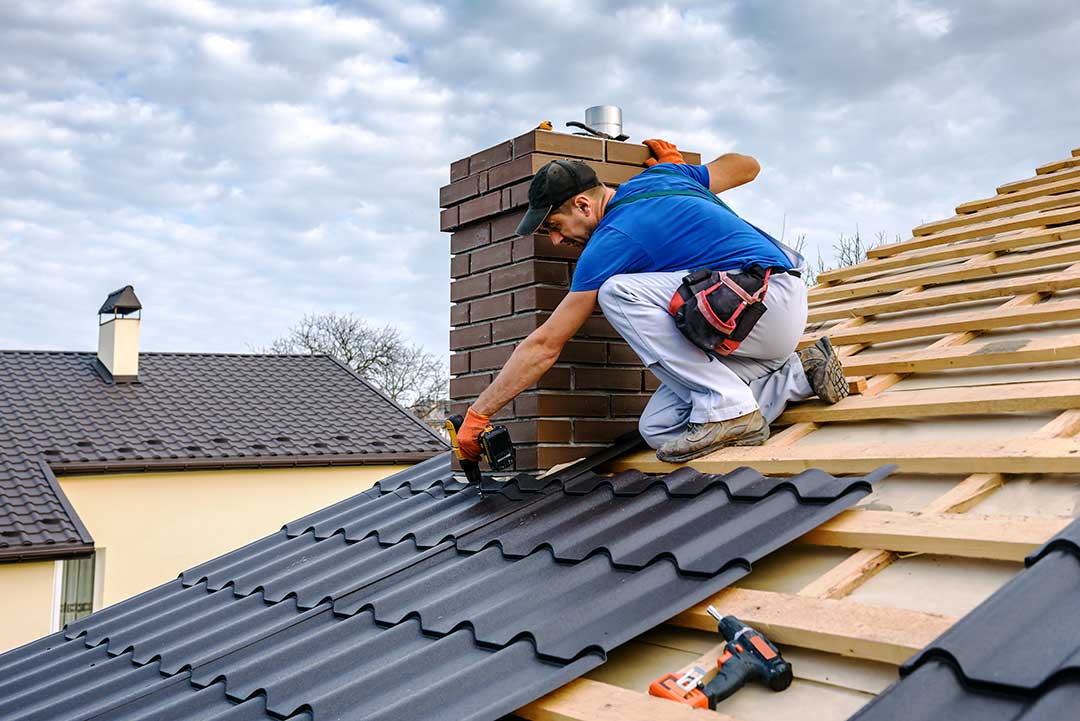
Most manufacturer’s warranties promise to replace or repair roofing materials that fail due to manufacturing defects. For example, if new shingles start degrading during their first years—despite correct installation—the materials may be replaced at no or reduced cost. However, these agreements rarely include damage caused by improper installation, storm events, or neglect.
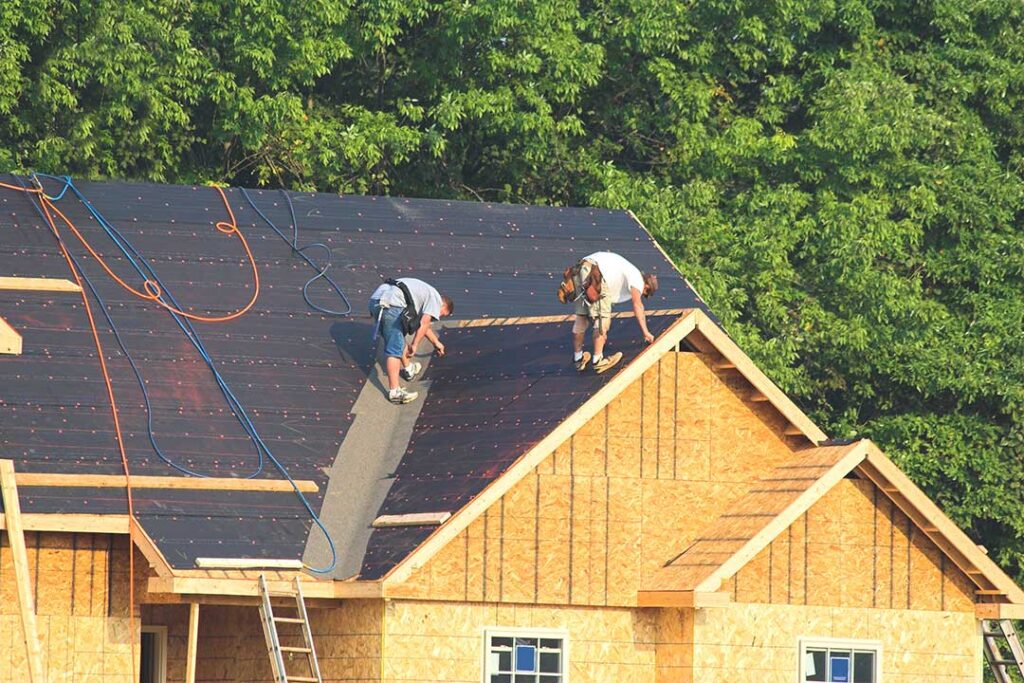
Workmanship warranties are issued by the contractor who installed the roof. These typically cover errors in installation, like leaks that result from improper flashing. While manufacturers may require certain installation standards to honor their warranties, they generally won’t pay for damage caused by faulty workmanship.
Common coverage exclusions for both types:
- Storm, wind, hail, or tree damage
- Water backup from gutters
- Neglected maintenance
- Modifications without proper methods
- Ordinary wear and tear
Understanding these exclusions is especially important in the local area, where seasonal storms and heavy rainfall are common roof stressors.
How Long Do Roof Warranties Last?
Warranty terms depend on both the roofing material and the specific product line chosen. In Marshall County, AL, asphalt shingles often feature warranties labeled as “25-year” or “lifetime,” but the actual level of coverage may change over time due to proration.
- Full coverage period: The initial years (e.g., 10-15) often include full replacement cost for defects.
- Prorated period: After that, coverage drops, and only a fraction of replacement cost is covered.
Workmanship warranties are typically much shorter, ranging from one to ten years, depending on contractor policies. Residents should check their paperwork to understand what period they’re actually covered for and whether warranties overlap or expire at different times.
What Is Required to Keep a Warranty Valid?
Most warranties come with upkeep requirements. Failure to follow these terms can void coverage, even for otherwise valid claims.
Residents in the community should:
- Keep documentation of annual roof inspections
- Address routine maintenance, such as removing debris and cleaning gutters
- Avoid unauthorized roof modifications (such as satellite dish installations)
- Notify the warranty issuer promptly when problems arise
In some cases, a manufacturer requires any repairs or replacements be done by a certified installer. If unsure, local homeowners can look up their warranty documents or check with the materials manufacturer for clarification before making changes.
What Happens During a Warranty Claim?
If roof problems surface and a warranty could apply, the next steps usually involve paperwork and inspections rather than immediate repairs.
A standard process might look like this: 1. Notify the warranty provider in writing as soon as the problem is discovered. 2. Allow an inspection to determine if the issue is covered or excluded. 3. If defects or eligible installation errors are found, the provider will arrange materials or repairs covered under the agreement.
Documentation is critical—saving receipts, inspection records, and photos from installation helps support any claim. In the event of a dispute or denial, having clear records often makes the difference.
What Are Common Misunderstandings Among Local Residents?
Many assume “lifetime” warranties cover all problems for as long as they own their home, but this is rarely true. “Lifetime” often means as long as the original homeowner lives there, with proration reducing coverage as years pass. Another misconception is that any roof leak or damage will be covered. In reality:
- Storm, tornado, or hail damage, which are hazards in this area, are usually excluded and better handled through homeowner’s insurance.
- Workmanship warranties do not cover aging or material defects.
- Missing periodic maintenance or failing to act promptly can nullify coverage, even for valid claims.
Being aware of these distinctions can save frustration and prevent costly mistakes.
How Does the Climate in Marshall County Impact Warranty Considerations?
The climate in Marshall County features heavy rainfall, summer heat, and severe storms, all of which can shorten roof lifespans or test the limits of materials. Local residents should know:
- Routine inspections are especially important after seasonal storms.
- Selecting materials rated for wind and hail resistance can help mitigate common weather events.
- Sudden damage from extreme weather, such as wind-blown debris, is rarely covered by warranty and may be a matter for insurance.
Keeping up with regular care and documenting all inspections and maintenance becomes even more vital under these local conditions.
Where Can Residents Find or Review Warranty Information?
Proof of warranty coverage usually comes as part of closing documents when buying a home or as written paperwork following roof installation or replacement. If paperwork is missing, manufacturers can often verify coverage through product registration or the installer’s records. When reviewing the papers, residents should note:
- The type and length of warranty
- Maintenance requirements
- Contact information for making claims
- What documentation (receipts, inspection reports) should be saved
Whenever changes are made to the roof or repairs are needed, updated records will make any future warranty process much smoother.