

 See My Latest Article on HelloNation
What Do Mold and Mildew Look Like on a Roof?
Mold and mildew show up on roofs as dark, greenish-black, or grayish patches and streaks, often in damp or shaded areas that receive limited direct sunlight. These stains may spread slowly and are often most noticeable after rainy stretches or in cooler, more humid seasons.
Residents around Marshall County, AL usually spot mold growth as:
- Black streaks running down shingles
- Patchy green or dark blotches, especially in roof areas beneath overhanging trees
- Powdery or fuzzy grayish-white spots after several wet weeks
Roof mold tends to look patchy and solid, while mildew may appear as a lighter, almost dusty or powdery film. Algae growth, sometimes confused with mold, generally looks like a uniform green stain rather than blackened streaks.
Why Do Mold and Mildew Grow on Roofs in Marshall County, AL?
Both mold and mildew flourish in moist, shaded environments. The climate in Marshall County, with its mix of rainy spring periods, summer humidity, and shaded lots lined with tall trees, provides ideal conditions for these organisms.
Common local factors encouraging roof mold or mildew include:
- Long stretches of shade from nearby trees or neighboring houses
- Roofs with low slopes or poor drainage
- Leaves, pine needles, or organic debris collecting in valleys or gutters
- Prolonged humidity, especially in May through September
Mold and mildew are more likely to appear on older roofing materials, or on surfaces where moss or algae were previously present.
How Can You Tell the Difference Between Mold, Mildew, Algae, and Moss?
It’s easy to mistake one type of roof growth for another, but each appears and behaves a little differently:
- Mold: Looks black or dark brown, may have a slimy or velvety texture, and usually appears in concentrated patches.
- Mildew: Often gray or white, appears powdery or fluffy, and is usually found in thin layers spread across a surface.
- Algae: Manifests as dark green or black streaks, usually in shaded areas but not as patchy as mold.
- Moss: Presents as thick, green clumps that may lift shingles, especially along roof edges or between shingles.
Looking closely, mold often emits a musty odor, though detection from the ground may be difficult. Algae, on the other hand, rarely smells and usually causes roof darkening without the fuzziness of mold or mildew.
What Warning Signs Suggest Mold or Mildew May Be Affecting Your Roof?
Spotting mold or mildew early can help prevent long-term damage. Watch for the following indicators:
- Unexplained streaks or stains, especially after wet seasons
- Surface shingle deterioration, like curling or granular loss near stained areas
- Recurring dampness, particularly in areas that stay shaded most of the day
- Visible patches of gray, white, or black buildup
- Gutter blockages caused by decaying leaves or roof debris
If you notice mold inside upper walls or attic spaces, this can signal an exterior roof issue allowing moisture inside. Roof leaks or condensation above ceiling lines may mean mold is hidden below damaged shingles.
Are Roof Mold and Mildew Dangerous?
While mold and mildew themselves don’t rapidly destroy roofing materials, they can speed up shingle wear, lead to moisture retention, and increase the risk of leaks or wood rot. Over time, untreated mold may allow water to reach roof decking, causing more serious and expensive structural repairs.
Certain molds inside the home can aggravate allergies or asthma, but most exterior roof molds are less likely to enter indoor air unless leaks are present. Still, persistent mold signals a bigger moisture problem that should not be ignored by area residents.
What Should Local Residents Do If They Suspect Mold or Mildew on Their Roof?
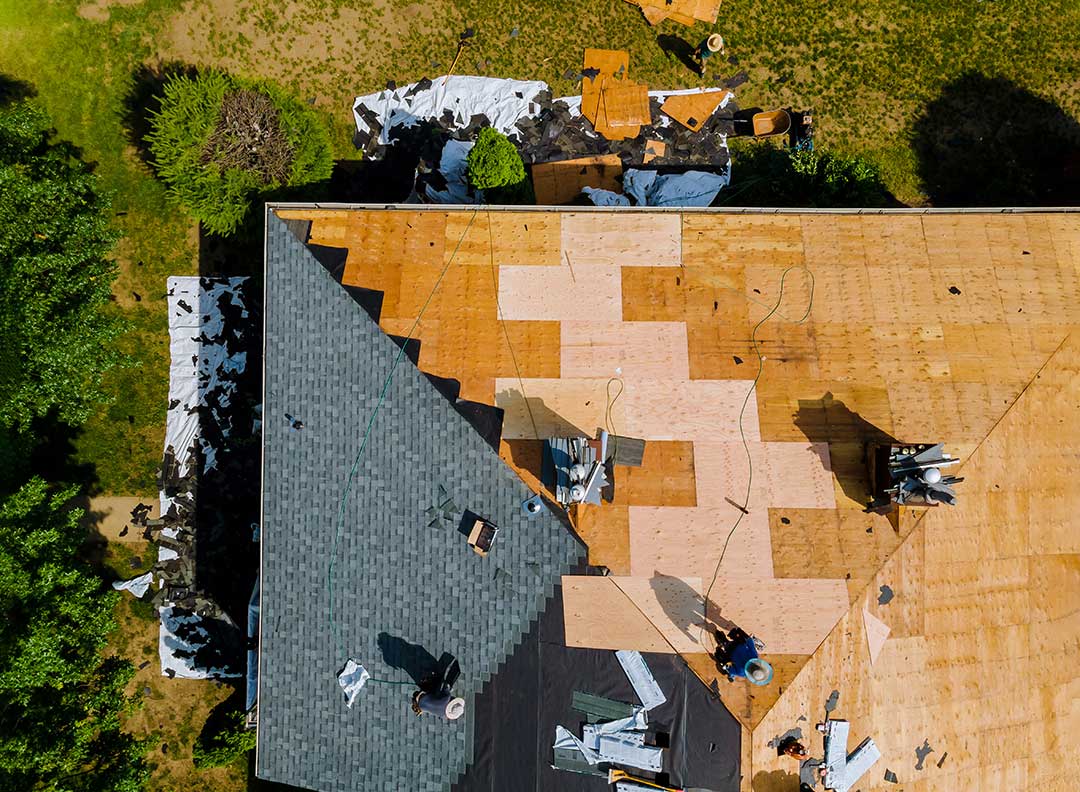
First, confirm the issue from the ground using binoculars, or by checking with a camera on an extension pole. Do not climb a steep or slippery roof to avoid accidents. If the presence appears limited to surface stains or powdery patches:
- Monitor affected areas after heavy rains or high humidity stretches
- Clean out nearby gutters and remove overhanging debris to improve sun exposure and reduce trapped moisture
- Address roof ventilation issues to minimize retained humidity
For moderate, non-toxic, accessible areas, gentle cleaning with a diluted soap-and-water solution may remove mildew. Avoid power washing, which can dislodge granules or push water under shingles. If mold returns repeatedly, especially in the same area, or spreads rapidly, further inspection is necessary to rule out hidden moisture problems beneath the roofing.
What Mistakes Do Homeowners Commonly Make When Addressing Roof Mold and Mildew?
Several common misconceptions can lead to recurring problems:
- Using harsh chemicals or bleach indiscriminately, which may damage shingles or runoff into local soils
- Power-washing, which can strip protective granules and weaken shingles
- Ignoring small streaks, only to discover extensive mold growth after a season or two
- Covering up stains with paint or sealant rather than correcting ventilation or drainage issues
Sweeping leaves and trimming trees near the roofline in Marshall County, along with regular gutter cleaning, are simple steps to reduce future mold and mildew opportunities.
How Often Should Roofs Be Inspected for Mold or Mildew in Marshall County?
For most area households, a visual roof check every spring and fall, along with a look after heavy storms, usually suffices. Persistent shade or previous mold issues may require closer monthly checks during humid summer stretches. Use these milestones as prompts for extra checks:
- After a stretch of rainy weather or stormy conditions
- If attic areas begin to smell musty
- When replacing or cleaning gutters
Most mold or mildew growth can be managed with early attention and regular roof upkeep, helping local roofs stay safe and sound through every season.