

 See My Latest Article on HelloNation
Living in Marshall County, Alabama, means enjoying a unique mix of Southern charm and ever-changing weather. From balmy summers to surprise snowfalls, our homes must withstand a blend of conditions that can take a toll on one of the most critical parts of our house: the roof. Understanding how weather affects your roof can save you from costly repairs and headaches down the road.
How Sun and Heat Affect Your Roof
Sunny days are a staple in Marshall County, especially during the long, humid summers. While we might enjoy a day on Lake Guntersville, the sun is constantly beating down on your roof. Here’s what happens:
- Shingle Wear: Prolonged exposure to UV rays causes shingles to become brittle, fade, and crack.
- Heat Expansion: Roofing materials expand in heat and contract in the cool evenings, which can lead to warping and loosened fasteners over time.
- Energy Efficiency: Damaged or aged roofing lets more heat into your attic, raising cooling bills during those muggy Alabama afternoons.
The Effects of Rain and Humidity
Rain is a part of life here, with heavy spring and summer thunderstorms rolling through Marshall County. High humidity only adds to the challenge.
- Leaks and Water Damage: Consistent rainfall finds weaknesses in your roof, leading to leaks, rot, and mildew.
- Moss and Algae Growth: Our humid environment is perfect for moss and algae, which hold moisture against your shingles and reduce their lifespan.
- Gutter Problems: Clogged gutters from storms can cause water to back up under shingles, damaging the roof deck and even your home’s siding and foundation.
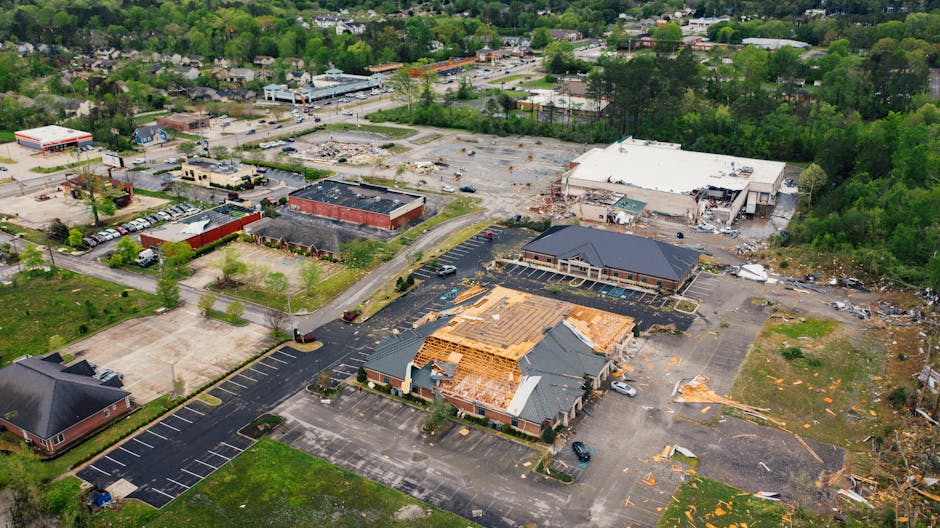
Storms, Hail, and Tornadoes
Marshall County residents know the anxiety when severe weather alerts roll through in spring or late fall.
- Wind Damage: High winds can lift and tear off shingles, especially if they’re old or poorly fastened.
- Hail Impact: Hailstones can bruise or crack shingles, potentially exposing the underlayment and allowing water in.
- Flying Debris: Winds can hurl branches or objects onto the roof, causing punctures or dislodging shingles.
Freezing Temperatures and Snow
Though snow isn’t a daily winter concern in Alabama, occasional icy conditions and surprise snowfalls are not unheard of.
- Ice Dams: As snow melts and refreezes at roof edges, ice dams can form, trapping water that seeps under shingles.
- Freeze-Thaw Cycles: Water that enters through tiny cracks can freeze and expand, making small problems bigger with each freeze-thaw cycle.
- Added Weight: Even a little snow or ice can add weight to your roof, potentially straining older structures.
The Local Lifestyle and Your Roofing Maintenance
Many Marshall County families lead active outdoor lifestyles—fishing at Lake Guntersville, hosting barbecues, or watching football games outside. These activities often lead us to overlook home maintenance tasks. However, regular roof inspections are essential in a climate as variable as North Alabama’s.
- After-Storm Inspections: After big storms, walk around your home and look for missing shingles, damage, or debris buildup.
- Gutter Maintenance: Regularly clean gutters, especially after autumn leaves fall or following a major storm.
- Annual Professional Checkup: Schedule a professional roof inspection each year; many local roofers offer packages tailored to our area’s climate.
Signs Weather Has Damaged Your Roof
Sometimes roof damage isn’t obvious. Keep an eye out for these warning signs—these are questions many homeowners in Marshall County search for answers to:
- Stains on Ceilings/Attic Walls: This often means water has found a way inside.
- Sagging Rooflines: A sign of serious water infiltration or structural issues.
- Granules in Gutters: Asphalt shingle granules in your gutters indicate wear and possible hail damage.
- Missing, Broken, or Curled Shingles: These allow wind and water in with ease.
Protecting Your Roof Against Marshall County Weather
No roof lasts forever, and weather in Marshall County will test even the highest-quality roofing. Here’s how you can proactively protect your investment:
- Choose Weather-Appropriate Materials: Consider algae-resistant shingles or metal roofing for added durability.
- Ensure Proper Ventilation: Reduces heat buildup and prevents moisture-related damage.
- Trim Overhanging Branches: Prevents wind-driven limb damage during storms.
- Upgrade Insulation: Helps minimize temperature swings that stress roofing materials.
Why Local Weather Matters in Roofing Choices
Marshall County’s mix of humidity, storms, and occasional freezes isn’t common everywhere. That’s why working with local roofing experts who understand the climate is critical.
- Material Selection: Some materials handle moisture and heat better than others—your neighbor’s experience may differ from a homeowner in another state.
- Installation Methods: Local pros know how to fortify roofs against tornado-force winds and sudden downpours.
Conclusion: Take Weather Warnings Seriously
Your roof is the first line of defense against Alabama’s unpredictable weather. By understanding how weather affects your roof and taking preventive steps, you can extend its life and avoid unpleasant surprises. Weatherproofing your roof is as essential as locking your doors at night in Marshall County—protect your investment and your family’s comfort by keeping an eye on both the sky and your shingles.